


How to Keep Your Relationship Strong While Raising Kids
Small acts of affection and quality time can help parents maintain emotional closeness amid busy family life

“What happened to us?” —That’s the one question every couple asks when the fights get so bad, they don’t even know what caused it to begin with.
The wedge becomes more obvious when parenting comes in. Everything becomes for the kids—schedules, energy, and budget. For many traditional Filipino households, that’s the minimum to join the parenting club. Para sa mga bata is the slogan.
Therein lies the problem. When we pour everything into the kids, we start to expect that same love and affection from our partners, but never get it. We’re too exhausted after dealing with the kids. So, instead, we give our partners the “leftovers.” Then, when our partners don’t appreciate it, we lash out. But let’s be honest: nobody likes receiving the leftovers, even if that’s all we have.
The thing is, love between parents isn’t a luxury item you put away once the kids arrive. It’s the foundation they grow up standing on. And here’s why dating your partner still matters—especially in the Philippines, where sacrifice is cultural currency.
1. Your Partnership Is the Emotional Backbone of the Home
When parents stay connected, disagreements are softer, communication is clearer, and stress doesn’t spill as easily. In Filipino families where extended relatives, school pressures, and financial responsibilities all converge, a strong partnership becomes emotional insurance.
Dating—yes, even simple kain sa labas or a shared merienda—keeps that backbone strong.
2. Love Doesn’t Disappear; It Just Goes Unattended
Many parents don’t fall out of love. They fall out of practice.
Courtship after kids doesn’t need candlelit dinners or weekend getaways (though those are lovely when possible). Often, it looks like:
- Holding hands while walking through the mall
- Kissing your partner’s hand in public
- Sitting together after the kids fall asleep—even in silence
- Sending each other a meme or two
These small gestures remind both of you: we are still us.
3. Children Learn Love by Watching You
Kids don’t learn what healthy relationships look like from lectures. They carry that on to their own experience in the dating scene when they grow.
When they watch parents show affection—gentle touches, kind words, inside jokes—they absorb the lesson that love is something you maintain, not something that fades after responsibility arrives.
Emotional distance should never be mistaken for maturity.
4. Neglecting the Partnership Fuels Resentment
When parents stop dating and focus on the kids a little more than they should, partners can slowly turn into co-managers of a household rather than companions.
Unspoken resentment often starts with thoughts like:
- Wala na kaming oras sa isa’t isa.
- Parang roommates na lang kami.
- Why do I feel like their maid?
Dating doesn’t erase exhaustion—but it prevents emotional drift. It gives space to reconnect before resentment hardens into distance.
5. Love Doesn’t Have to Be Expensive to Be Intentional
Many of us have fallen in love with the idea of fancy dates, big bouquets, and the like as the bare minimum. But the truth is—that’s impractical. Going constantly on fancy dates doesn’t just strain the wallet; it also gets so unrealistic. Since when did Filipinos eat in small portions?
Big bouquets, on the other hand, yes, they are nice. But, after they wilt, we don’t need to tell you how annoying it is to clean all that up and wash the vase they were once in.
So, maybe “dating” doesn’t always have to look like something straight out of an American or British rom-com. Think:
- A walk around the barangay after dinner
- Coffee from the same cup
- A shared playlist during traffic
- A quick lunch date near work
- More time spent cuddling in bed (even when the kids transform the house into a warzone)
Intentional love is less about money and more about attention.
6. Strong Couples Raise More Secure Kids
When parents stay emotionally connected, children feel safer—even if they can’t explain why.
A home where parents still choose each other sends a quiet but powerful message: love endures, even when life gets demanding.
And that, perhaps, is one of the greatest gifts parents can give.
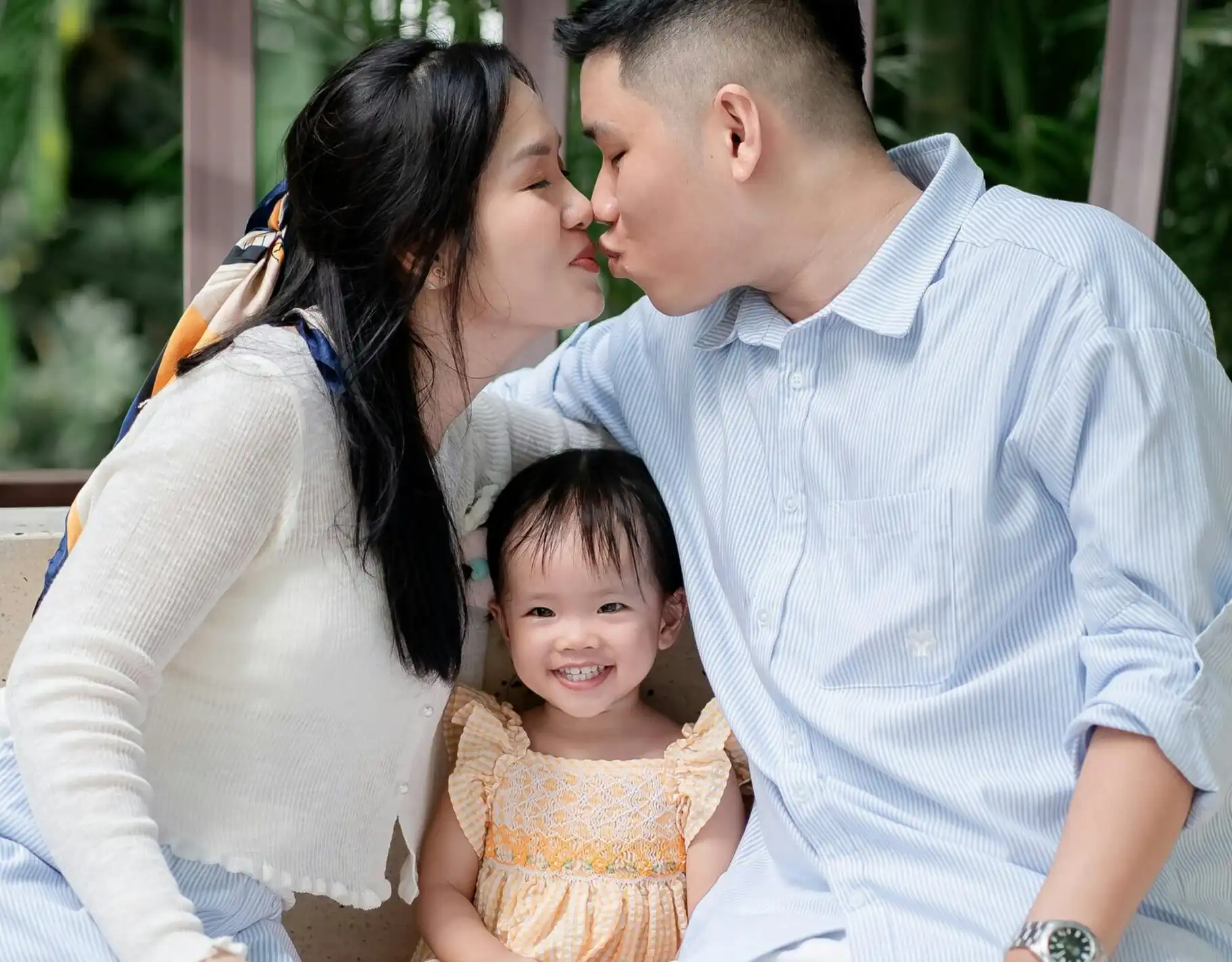
Love stories shouldn’t end because of parenthood
Dating your partner after kids isn’t about choosing romance over responsibility. It’s about understanding that your relationship is part of your parenting. Plus, at the end of the day, kids will leave the nest, and it’ll just be us—the partners who started it all.
So, just remember: romantic love doesn’t compete with your children. It sustains the home they’re growing up in.
Frequently Asked Questions
Couples can stay close after having kids by making small, intentional gestures a daily habit — holding hands, sharing quiet time after bedtime, sending thoughtful messages, or going on simple low-cost dates. Emotional closeness doesn’t require grand gestures; it requires consistent, mutual attention to the relationship.
Couples grow apart after having children because all energy, time, and resources shift toward the kids, leaving little room for the relationship. Without intentional reconnection, partners become co-parents rather than companions, and unspoken resentment builds — not from lack of love, but from lack of practice.
Keeping romance alive with kids means redefining what “dating” looks like. Simple acts like a walk after dinner, coffee together, a shared playlist, or cuddling after the kids sleep are enough. Intentional love is about attention, not expense — especially for busy Filipino parents managing full households.
Yes, a strong couple relationship directly affects children’s emotional security. Kids who see their parents show affection, communicate with kindness, and choose each other consistently learn that love is something you maintain. A connected parental relationship creates a stable, secure environment for children to grow up in.
Yes, parents dating each other is important for the health of both the relationship and the family. When couples stop investing in their bond, emotional drift sets in. Regular connection — even through simple, inexpensive moments — helps prevent resentment and models healthy love for children watching at home.
Related Stories

Plano n'yo na ba na i-seal ang road to forever ng partner mo? Kung gusto n'yong magpakasal nang simple at hindi masyadong magastos, puwedeng maging magandang option ang civil wedding

The Loyalty Game explores the world of loyalty checkers.

These celebrity fathers are embracing one of life’s biggest roles this year

Many solo parents juggle work, childcare, chores, and emotional labor all at once, making burnout a very real challenge