


The “House Plant” Parenting Method: How to Support Your Teen Without Hovering
As teens build their own identities, parents often have to redefine what closeness, support, and connection look like inside the home

As kids grow older, all the more we become anxious about how little time we have left with them. We start trying to spend more time with them, getting more involved. And most of the time, this irritates them more than it should. But when parenting a teen, sometimes, we’ll have to adopt a different kind of parenting called “The Way of the House Plant“.
What is the house plant parenting style?
Maybe not actively but it does something passively. When parenting babies and toddlers, we play an active role in shaping their beliefs and teaching them the ways of the world. From walking to learning the names of things, everything we do, we do for them. But the moment they become teens, they change. And to address that change, our parenting strategy has to adjust as well. From active, we need to become passive.
Shift from active to passive parenting
As our teens change and establish their own beliefs and ideas, it’s here that we sometimes have to choose when or when not to challenge them. Doing so not only keeps a happy household but helps teens develop a sense of independence and a deeper understanding of themselves. Just like a house plant, we will watch them and support them. They’ll come to us when they need us.
3 pillars of houseplant parenting
When adopting the ‘Parenting Way of the House Plant’, remember the 3 S’s: Support, Safety, and Space. Our teens will need our support but in doing so, we need to create a space where they’ll feel safe. It’s a bit of a struggle to do so because of their mood swings. But it pays off in the long run especially in their decision-making during the most critical points of their lives.
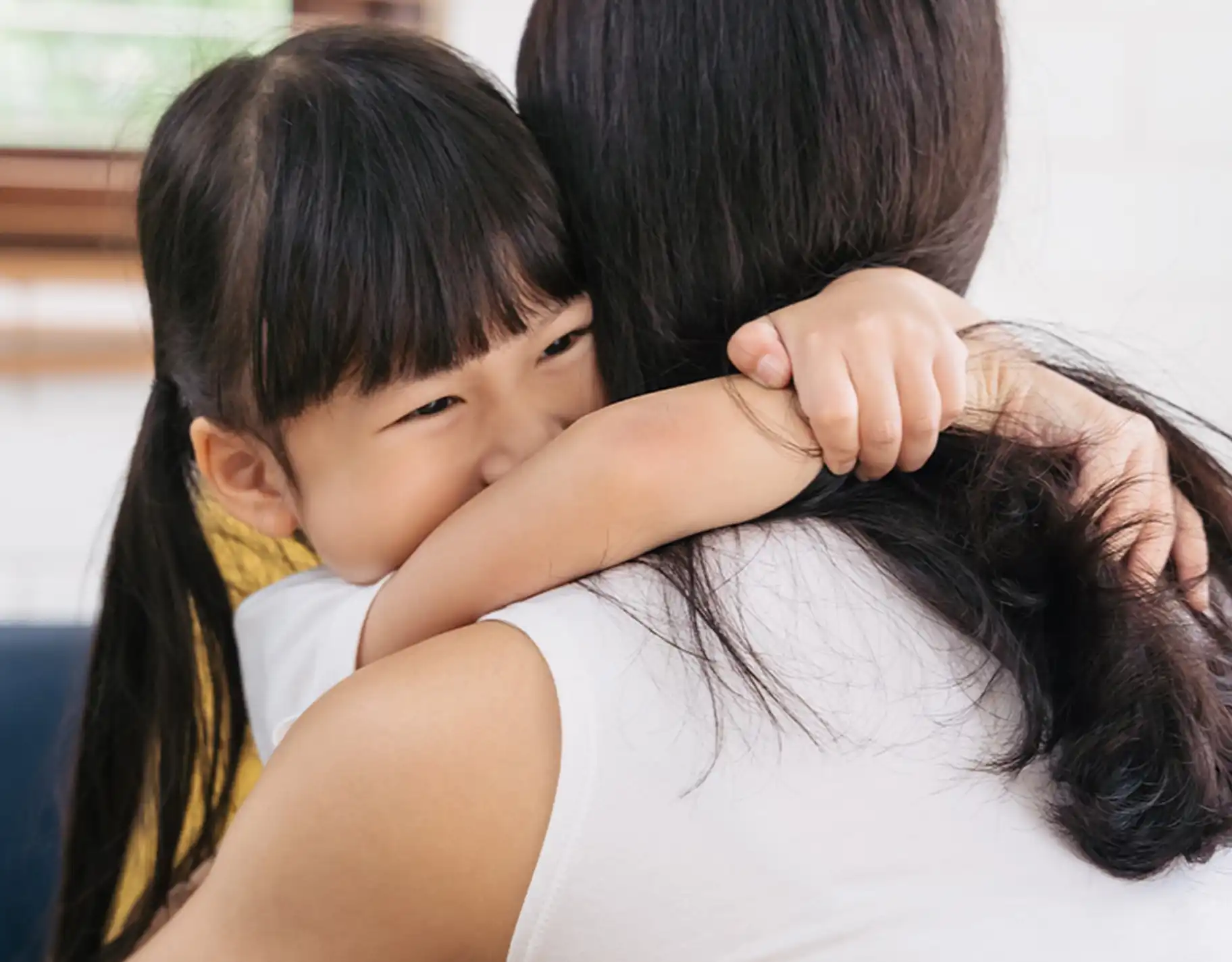
Why parents must resist the urge to fix things
It’s really tempting to want to “fix” our teens and their problems. But our teens are not broken; they’re simply growing and finding themselves. It’s a new adventure where our teen is now the main character and we play the supporting role. Maybe not as the sidekick but rather, as the wise one they’ll need to consult whenever they’re in a rut.
Frequently Asked Questions
You practice this method by shifting your role from an active manager to a supportive, passive observer in your teen’s life. Like a plant in the room, you remain a constant, reliable presence, allowing them to initiate connection when they need guidance. This approach builds their independence while keeping your relationship strong and stress-free.
Teenagers push away because they are actively developing their own identities, beliefs, and personal boundaries outside of the family unit. When parents respond by trying to force closeness, it often backfires and causes friction or irritation. Giving them space allows them to explore their independence safely.
The three core pillars of this parenting style are support, safety, and space. Parents must offer unwavering support while creating a emotionally safe environment where teens can express themselves without judgment. Balancing these elements with physical and emotional space helps teenagers navigate critical life decisions confidently.
Parents should not stop helping entirely, but they should transition from “fixing” problems to acting as a wise consultant. Stepping back allows your teenager to become the main character of their own story and learn from their mistakes. Your role is to offer guidance only when they actively seek your advice.
Passive parenting benefits teenagers by fostering critical thinking, self-reliance, and a deeper emotional understanding of themselves. By choosing when to challenge them and when to step back, you reduce household conflict and give them room to grow. This patience pays off long-term by preparing them for adulthood.
Related Stories
Naghain ang Akbayan Partylist, sa panguguna ni Cong. Chel Diokno ang panukala House Bill 10058 or Child Safety Against Violence Act para protektahan ang mga bata

The National Council for Disability Affairs (NCDA) has partnered with TikTok Philippines to make it easier to report content that mocks Persons with Disabilities (PWDs).

Helping children navigate social media starts with teaching them to think critically, verify information, and understand the consequences of what they share online

Because raising creative kids also means permitting ourselves to stay curious, playful, and open to growth