


Think Before You Post: Mocking PWDs Online Can Have Serious Consequences
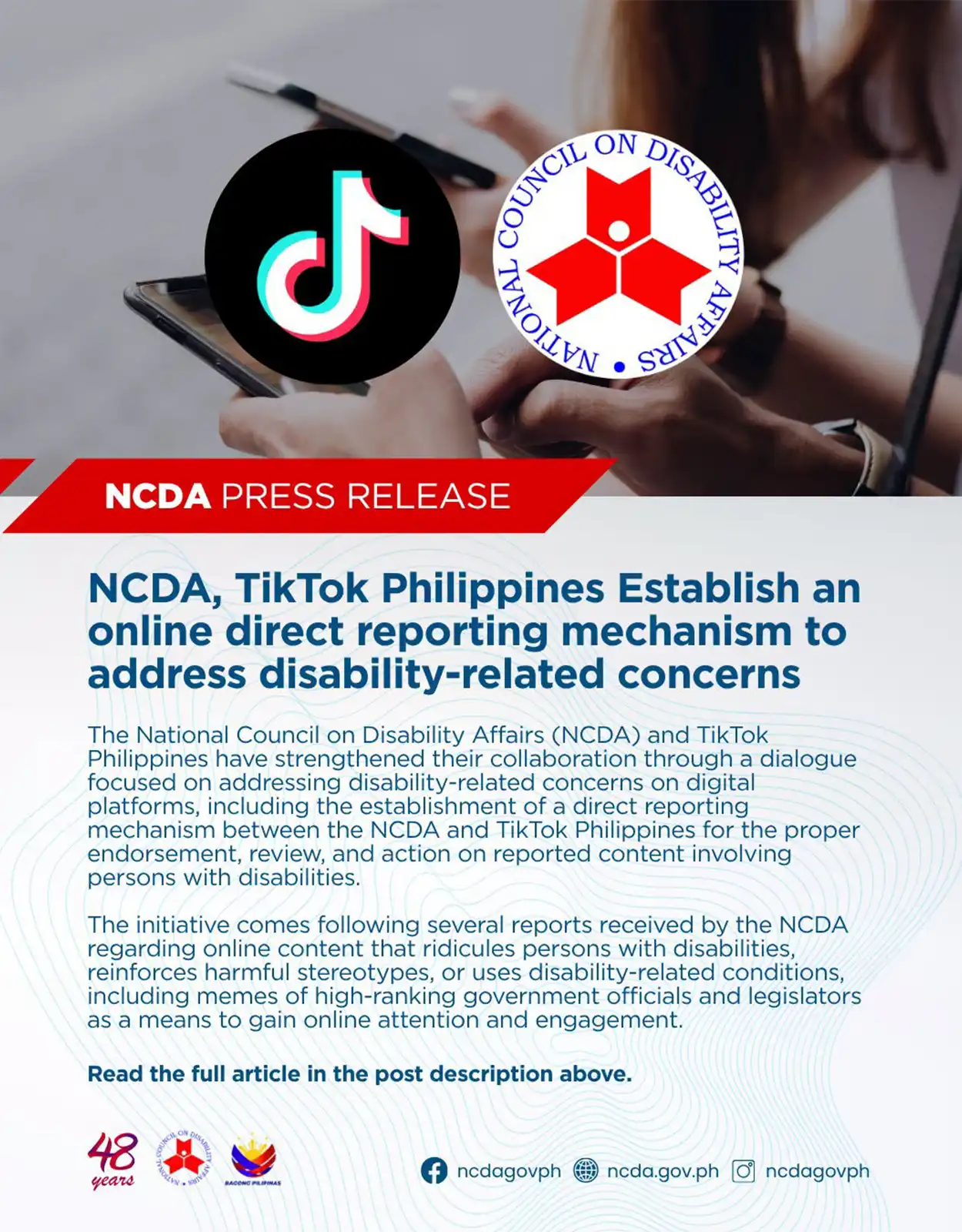
The National Council for Disability Affairs (NCDA) has partnered with TikTok Philippines to make it easier to report content that mocks Persons with Disabilities (PWDs).
Kung akala n’yo na nakakatuwang gayahin o pagtripan ang mga Persons with Disabilities (PWDs) sa TikTok, paalala lang: puwede itong mauwi sa reklamo, account suspension, at maging sa legal na aksyon.
Nakipag-partner ang National Council for Disability Affairs (NCDA) sa TikTok Philippines para magkaroon ng direct reporting mechanism laban sa mga content creator na gumagawa o nagpo-post ng videos na nangungutya o nangmamaliit sa mga taong may kapansanan.
Ayon sa NCDA, malaking impluwensya ang social media sa paghubog ng pananaw ng publiko tungkol sa mga PWD. Sa pamamagitan ng partnership na ito, mas mapapalakas ang kanilang kakayahang tugunan ang mga ganitong insidente habang hinihikayat ang content na nagpapakita ng respeto, inclusivity, at tunay na kakayahan ng mga taong may kapansanan.
Bagama’t kinikilala ng NCDA ang kahalagahan ng creativity at freedom of expression, nilinaw nilang may limitasyon ito.
Ani ng NCDA, ang kalayaan sa paggawa ng content ay dapat laging may kasamang responsibilidad at paggalang sa dignidad ng bawat tao. Hindi dapat gawing katatawanan o gamitin ang mga PWD para lang makakuha ng views, likes, o online attention.
Bakit Naglabas ng Paalala?
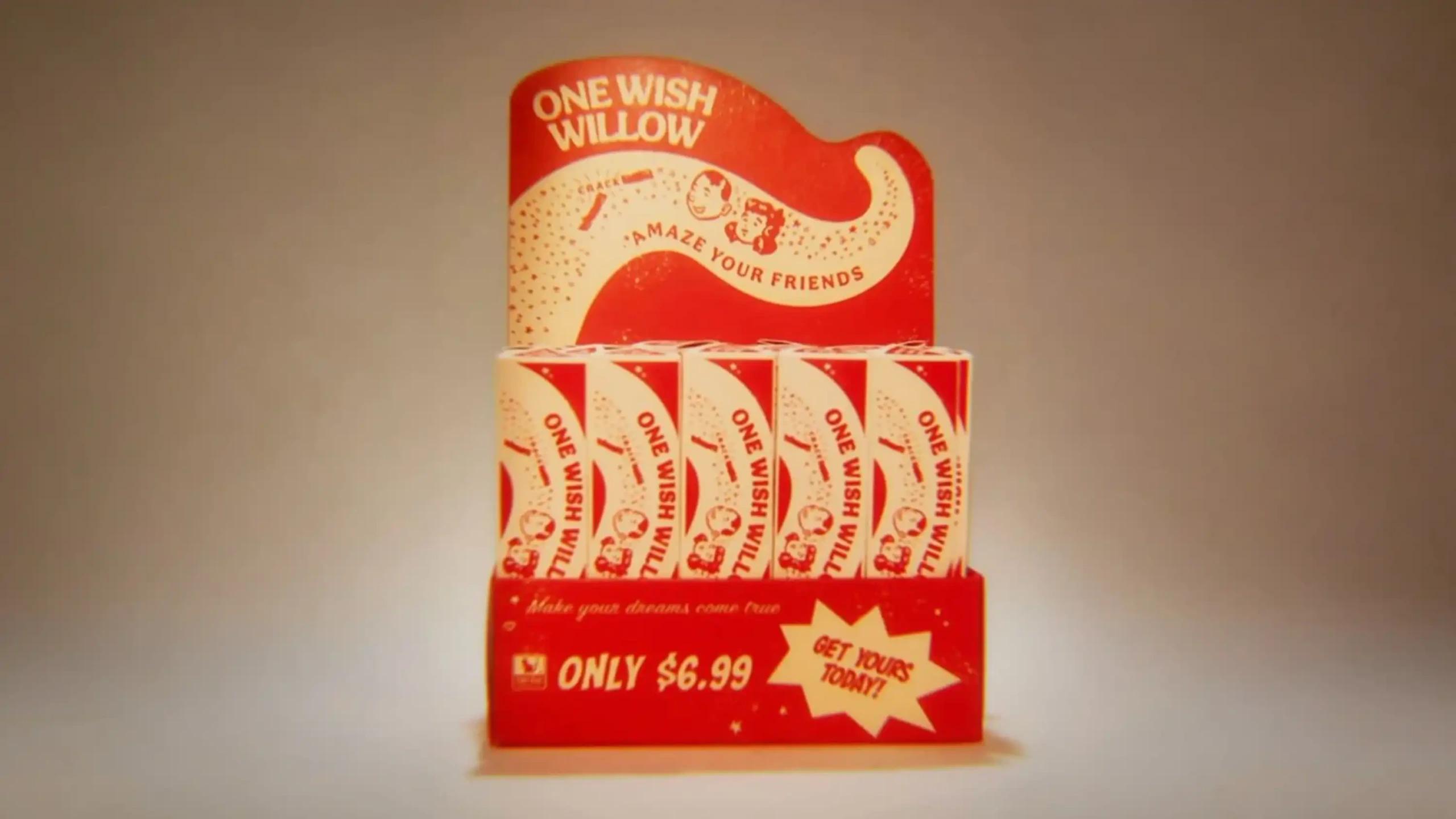
Naglabas ng paalala ang NCDA matapos makarating sa kanila ang mga reklamo tungkol sa ilang video na nakikisabay sa TikTok trend na “One Wish Willow.”
Ang trend ay hango sa horror film na Obsession, kung saan ang bida ay nag-wish gamit ang “One Wish Willow” ngunit nagkaroon ng sobra o exaggerated na resulta.
Habang marami ang gumamit nito para sa harmless comedy, may ilang creators na ginaya ang galaw o kondisyon ng mga PWD—tulad ng panginginig ng katawan (twitching), paralysis, at speech impairments—na itinuturing na nakakasakit at disrespectful.
Dahil sa mga reklamong natanggap, nakipag-ugnayan ang NCDA sa TikTok Philippines at muling ipinaalala ang mga umiiral na batas, kabilang ang Magna Carta for Persons with Disability, na naglalayong protektahan ang karapatan at dignidad ng mga taong may kapansanan.
Paalala sa mga Magulang
Isa rin itong paalala sa mga magulang na bantayang mabuti ang mga online trends na sinusubukan ng kanilang mga anak. Minsan, nakikisabay lang ang mga bata sa uso nang hindi nila naiintindihan na maaari pala itong makasakit ng ibang tao o magkaroon ng legal na epekto.
Mahalagang gabayan sila sa responsableng paggamit ng social media at ipaalala na ang respeto at empathy ay mas mahalaga kaysa sa anumang viral trend.
Frequently Asked Questions
Yes. According to the NCDA, content that mocks or discriminates against Persons with Disabilities may be reported through TikTok’s direct reporting mechanism. Depending on the case, creators may also face legal consequences under Philippine laws protecting the rights of PWDs.
The NCDA and TikTok Philippines have established a direct reporting mechanism to make it easier to report content that mocks or discriminates against Persons with Disabilities.
The reminder came after complaints about TikTok videos related to the “One Wish Willow” trend, where some creators imitated the movements or speech of people with disabilities for entertainment.
Yes. Content reported for violating TikTok’s Community Guidelines may be reviewed, and accounts or videos may be removed or suspended depending on the platform’s policies.
One of the key laws is the Magna Carta for Persons with Disabilities (Republic Act No. 7277, as amended), which promotes the rights, dignity, and equal opportunities of Persons with Disabilities.
Children and teens often join viral challenges without realizing they may be offensive or harmful. Parents can help by discussing respectful online behavior and reminding their children to think before posting.
Parents can encourage empathy, explain that viral content isn’t always appropriate, remind children to respect everyone online, and discuss the possible real-world consequences of harmful posts.
Related Stories

Helping children navigate social media starts with teaching them to think critically, verify information, and understand the consequences of what they share online

Because raising creative kids also means permitting ourselves to stay curious, playful, and open to growth

Strength is praised in parenting, but rarely do we talk about its hidden cost

Many Filipino families continue practicing “Pwera usog” as part of cultural tradition and child protection