


How to Help Kids Develop a Love for Music
You don’t have to be on key to share the power of music with your kids

Music helps kids in a lot of ways, especially in encouraging them to find different ways to approach problems and express themselves. But we all have our preferences in music; some of which our kids may love and most of the time, they won’t. Most music lessons even focus on making sure they learn classical pieces—a lot of those our kids aren’t too keen on learning how to play.
But if we want our kids to learn and love music, here are ways we can encourage them.
1. Encourage Kids to Explore Music Instead of Forcing Instruments
Learning how to play an instrument isn’t the only way a kid can learn how to love music. Sure, it encourages mathematical thinking but it’s a big financial investment on our end. Then, we’ll have to find a teacher who jives with our kids and plays the instrument they want to learn. That can all fall through if we keep forcing them to learn how to play just so we can get a return on investment.
Instead, expose them to different kinds of musicians. Not only does it expand their horizons, but it also gives them an idea of what kind of instrument they like listening to. Eventually, they’ll want to try learning it themselves.
2. Let Kids Appreciate Different Musical Instruments and Sounds
Assuming our kids already love music, some of them may not want to learn the instrument we want them to learn. We often insist on the piano because it plays a vital role in the orchestra and we went through it ourselves. But, insisting on a particular instrument may discourage them from loving other forms of music just because there’s no “piano” in it.
Instead, let them hear the different sounds the instruments make. Kids already have an idea of what a nice sound is so, it all boils down to what they hear and want to hear.
3. Expose Kids to Live Music and Real Performances
Every music performance has its flair. Concerts have a “high” from the singer’s or musician’s performance level, whereas Open Mic Night in malls, cafés, and even restaurants give a more intimate and welcoming feeling to the audience from both big-time and small-time artists.
The goal is to show kids that music connects all kinds of people and is something worth enjoying everywhere!
4. Let Kids Explore and Enjoy Modern Music Today
We may have our prejudices about what noise or music is, but today’s music is what our kids are hearing through every YouTube ad, music video, and shopping mall jingle.
While we don’t necessarily have to love the current music, we have to accept that those sounds are what will shape our kids’ idea of music. That will stay with them even as they get older. Besides, these are the tunes that kids their age listen to. We’re sure none of them would headbang to Beethoven and Mozart!
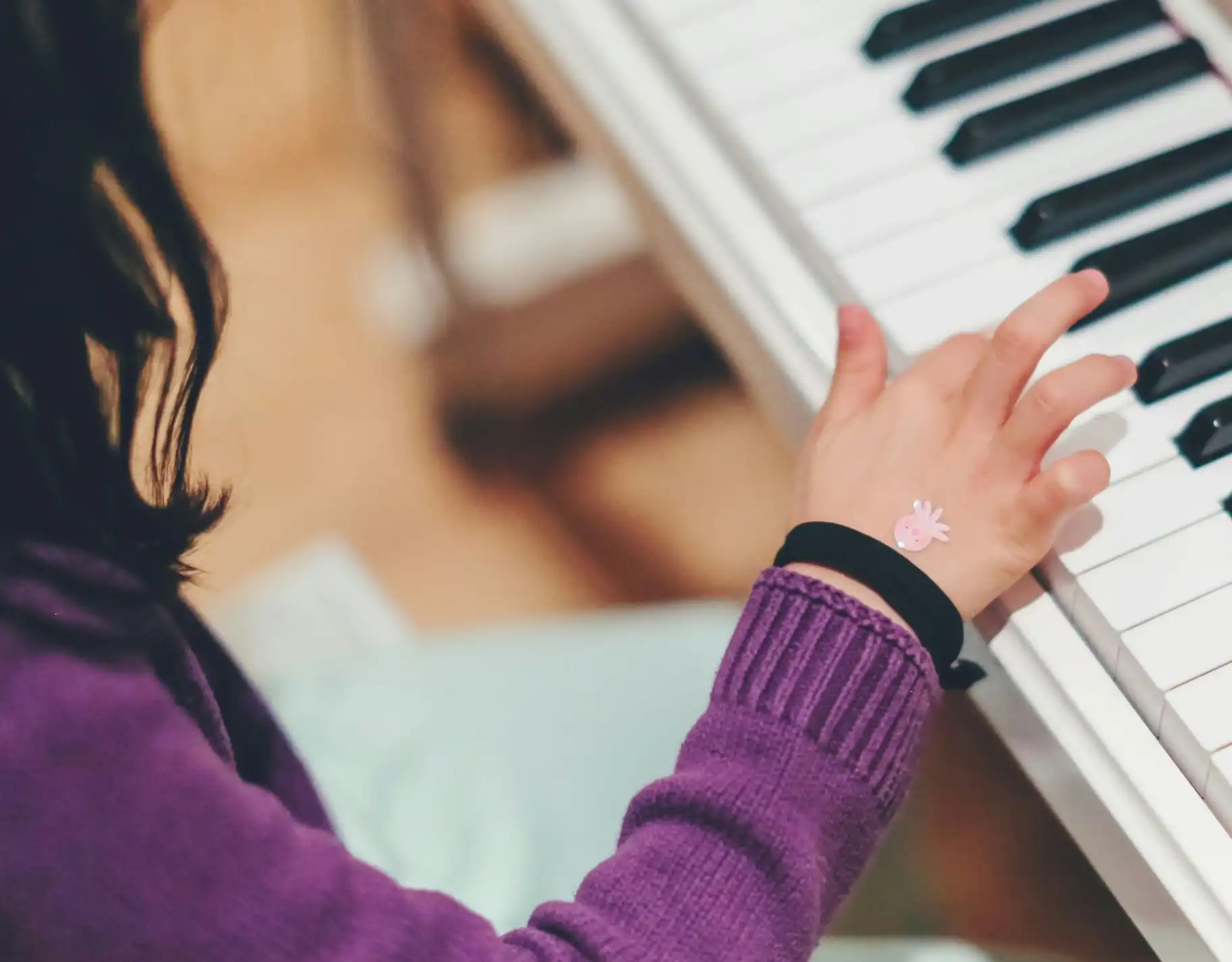
Music doesn’t just encourage thinking in kids but also a love for life!
Math and Science are good in all but music and arts are what make life more colorful. There are just some feelings that numbers or words can’t capture but colors and sounds can. Our kids are little individuals who are navigating and trying to find their ways of understanding the world and music is just one of those many avenues to do so.
Kids learn their love for music from us, and our role, as parents, is to show how they can listen to the stories and emotions found in various pieces.
Frequently Asked Questions
Music helps children by encouraging them to find diverse ways to approach complex problems and freely express their emotions. While academic subjects like math and science are vital, music and the arts capture feelings that numbers cannot, making life more colorful and helping kids understand the world.
Forcing an instrument can create financial strain and pressure that ultimately discourages a child’s natural love for music. Instead of demanding a return on investment, parents should expose children to diverse musicians and instrument sounds, allowing the child to naturally develop a desire to learn.
Taking children to live shows exposes them to different performance styles, from the high-energy of large concerts to the intimate feel of local open mic nights. This experience teaches children that music is a powerful tool that connects all kinds of people and is meant to be enjoyed everywhere.
Accepting modern music is crucial because today’s sounds are what children naturally hear through YouTube ads, music videos, and malls. While parents do not have to love current hits, accepting them respects the peer culture and musical landscape that will actively shape their child’s identity and core memories.
A parent’s main role is to act as a supportive guide who shows children how to listen to the diverse stories and deep emotions embedded within various musical pieces. Rather than enforcing strict classical training, parents should focus on sharing the joy of music to build a lifelong love for life.
Related Stories
Naghain ang Akbayan Partylist, sa panguguna ni Cong. Chel Diokno ang panukala House Bill 10058 or Child Safety Against Violence Act para protektahan ang mga bata

The National Council for Disability Affairs (NCDA) has partnered with TikTok Philippines to make it easier to report content that mocks Persons with Disabilities (PWDs).

Helping children navigate social media starts with teaching them to think critically, verify information, and understand the consequences of what they share online

Because raising creative kids also means permitting ourselves to stay curious, playful, and open to growth