


YouTube’s New Parental Controls Help Families Manage Kids’ Screen Time
Parents can now set time limits or block YouTube Shorts entirely for supervised teen accounts

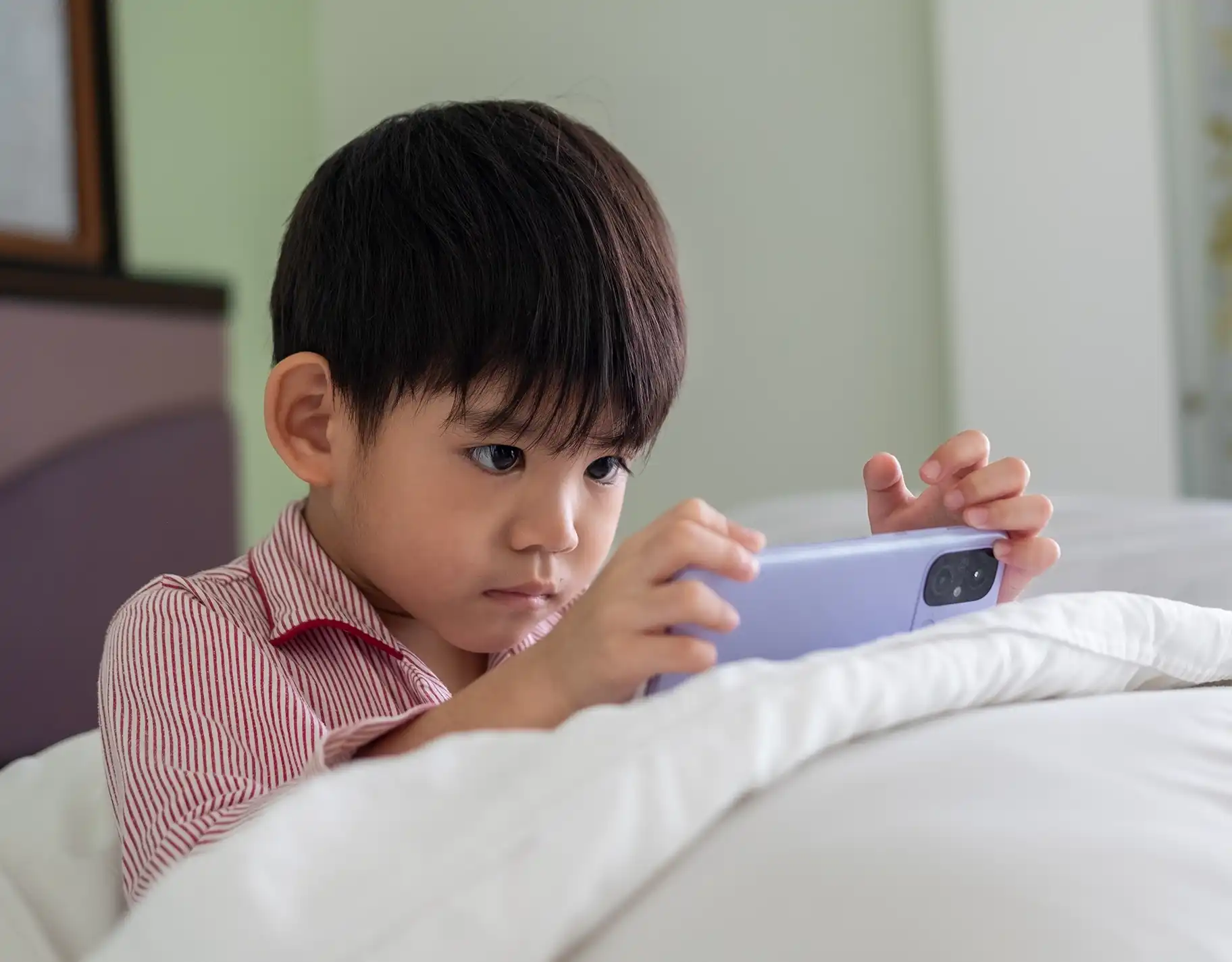
As parents, we’ve all been there. You hand your child your phone for “just a few minutes,” only to realize that those minutes have quietly stretched into half an hour—sometimes longer. In today’s fast-moving digital world, short-form videos like YouTube Shorts are designed to keep viewers engaged. And for kids, that endless scroll can be especially hard to resist.
Recognizing this, YouTube has announced new tools that give parents more control over how their children interact with Shorts—offering families practical ways to guide more mindful screen use.
How Parents Can Now Limit or Disable YouTube Shorts for Kids
YouTube’s latest update allows parents to limit—or even completely disable—their child’s access to Shorts through supervised accounts. One key feature is a timer that lets parents set boundaries on how long their child can scroll through short-form videos. This gives families the ability to manage not just what their kids watch, but how much they consume.
Parents can also customize Bedtime and Take a Break reminders, gentle prompts that encourage kids to step away from their devices and transition to other activities—whether that’s homework, family time, or simply rest.
To make these tools more accessible, YouTube is also simplifying the account setup process for parents. This makes it easier to create and manage supervised accounts, especially for families navigating digital safety for the first time.
YouTube Is Also Improving the Content Teens Actually See
Beyond limiting screen time, YouTube is also focusing on improving the quality of content available to kids and teens. The platform has introduced new principles and creator guidelines aimed at promoting videos that are age-appropriate, enriching, and aligned with young viewers’ developmental needs.
By working closely with creators and partners, YouTube hopes to foster a digital environment where entertainment and learning can coexist—giving teens access to content that informs and inspires, not just distracts.
Why These Tools Matter — But Can’t Replace Parental Guidance
These new tools reflect a broader shift among tech companies to work more closely with families in promoting healthier digital habits. Around the world, governments and organizations are also paying closer attention to children’s online safety, highlighting the growing urgency of balancing access with protection.
Still, no tool can replace the role of parents in guiding their children’s relationship with technology. Features like timers and reminders are most effective when paired with open conversations about screen use, boundaries, and balance.
Because ultimately, raising digitally healthy kids isn’t about eliminating technology—it’s about helping them learn when to scroll, when to pause, and when to look up.
u003cstrongu003eFrequently Asked Questionsu003c/strongu003e
YouTube’s update lets parents limit or fully disable access to YouTube Shorts for supervised teen accounts, set daily screen time limits, and customize Bedtime and Take a Break reminders. The platform also simplified supervised account setup to make it easier for families to get started.
Yes. YouTube’s new update gives parents the option to entirely disable Shorts within a supervised account — not just limit viewing time. This is particularly useful for families concerned about the addictive scroll-based format that short-form video platforms are designed around.
Supervised accounts let parents manage what their teen can watch and for how long on YouTube. Through a linked parent account, families can set content filters, screen time limits, and viewing reminders — giving teens some independence while keeping guardrails in place.u003cbru003e
No. YouTube’s tools are most effective when paired with open family conversations about healthy screen habits. Timers and reminders provide structure, but understanding why limits exist — and building self-regulation over time — requires ongoing dialogue between parents and children.
The move reflects growing global pressure on tech platforms to better protect young users online. Governments and child safety organizations worldwide are pushing for stronger digital safeguards, making family-friendly features increasingly important for platforms with large younger audiences like YouTube.
Related Stories

Hindi mo kailangang gumastos para maging active. Here’s how

More families are learning that listening without judgment can make vulnerable conversations feel safer and more supportive

Many Filipino families continue practicing “Pwera usog” as part of cultural tradition and child protection

Understanding why kids struggle to disconnect—and why it’s not just about discipline