


How BTS Suga’s MIND Program Uses Music Therapy to Help Kids With Autism
Suga’s involvement highlights how creative approaches can support emotional and social development

When global superstar BTS’s Suga sits down with a guitar, most people expect music charts to shift. But this week, the conversation moved somewhere far more personal: therapy rooms, classrooms, and homes raising children on the autism spectrum. The BTS rapper and producer has recently co-authored a clinical manual for a music-based social skills training program designed for children and adolescents with autism spectrum disorder (ASD).
The manual is part of the MIND program—short for Music, Interaction, Network, and Diversity—developed with medical experts to help children build communication and emotional expression through music.
But can music really help children on the spectrum connect with the world?
Research suggests the answer may be yes.
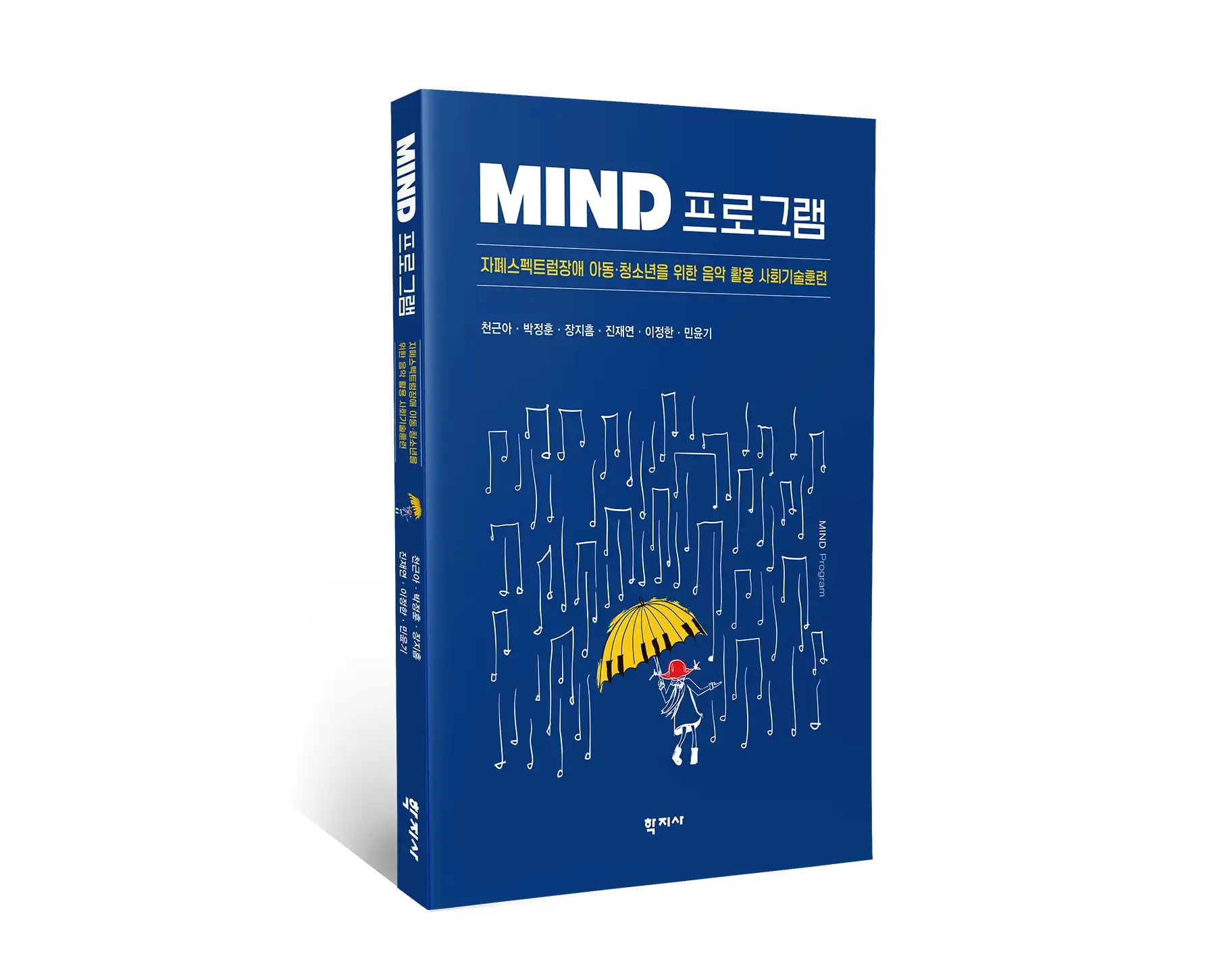
How the MIND Program Moved From Pilot Sessions to a Clinical Manual
The program grew from pilot sessions where Suga volunteered alongside therapists and psychiatrists, helping refine how music could support social skills training for young patients.
At the Min Yoongi Treatment Center in Seoul, children with autism participate in therapy sessions involving singing, rhythm exercises, lyric writing, and instrument play—activities designed to encourage emotional expression and social interaction.
The newly released manual aims to guide therapists worldwide in applying the program’s structure in clinical settings.
Why Filipino Families Are Well-Positioned to Embrace Music Therapy
Over the past few years, researchers have been paying closer attention to music therapy’s impact on children with autism.
Recent studies highlight several important benefits.
1. Music Helps Children Express Emotions Without Words
Music therapy supports emotional regulation and encourages social reciprocity in children with autism, improving relationships between children and their caregivers. (Zhou et. al, 2025)
For many children who struggle with verbal communication, rhythm and melody can become an alternative language.
2. It Can Improve Social Skills and Communication
Clinical trials published from 2024 onwards show children in music therapy programs demonstrated better social communication and language development compared to traditional training alone (Alayid et. al. 2025, Jaschke et. al, 2024). Meaning, music may help bridge one of the biggest challenges families face: interaction.
3. Music Therapy Works Best When It’s Interactive
Recent research emphasizes that structured activities like:
- group music-making
- songwriting
- rhythm games
- instrument choice
can help children practice turn-taking and engagement—skills essential for social development.
Why Celebrity Advocacy Is Changing the Autism Conversation Globally
In the Philippines, awareness about autism has grown significantly over the last decade. But access to therapies can still vary depending on location and resources.
Many Filipino parents rely on a combination of:
- occupational therapy
- speech therapy
- behavioral therapy
- school support systems
Music therapy is not always part of the conversation yet—but it’s gaining interest.
Filipinos are widely known for their deep love of music. Across generations, folk dances, traditional songs, and even some oral storytelling traditions have long been accompanied by melody and rhythm. Music is not just entertainment—it’s woven into how communities celebrate, remember, and connect.
While some Filipinos have taken their singing careers to global stages, the more familiar scene happens at home. Many parents sing while cooking dinner, folding laundry, or putting children to sleep. A soft lullaby, a spontaneous karaoke session, or a parent humming during chores—these small moments quietly shape family life.
In many homes, music becomes a shared language before children can fully express themselves in words.
That cultural familiarity may actually make music-based therapy easier for Filipino families to embrace, especially when connection—not performance—is the goal.
What Parents Should Know About Music-Based Therapy
Music therapy doesn’t replace existing interventions. Instead, experts see it as a complement to traditional therapies.
It works best when:
- sessions are guided by trained therapists
- activities are structured but flexible
- children are encouraged to explore sound, rhythm, and expression
- parents are involved in reinforcing interaction at home
In many cases, the goal isn’t musical skill—it’s connection.
Sometimes, a simple beat shared between a parent and child becomes a form of communication.
The Bigger Shift in Autism Conversations
BTS’s Suga’s involvement also reflects a larger change happening globally: celebrities using their influence to normalize discussions about neurodevelopmental conditions. Because when high-profile initiatives shine a light on therapies backed by research, more families begin asking questions—and that’s where change often starts.
The biggest struggle of any ausome kid’s parents is finding access to these therapies. Most find themselves travelling far and wide. Online may be good for some, but only to a certain degree. Some therapists still struggle with making sure the intervention doesn’t lose its effectiveness online.
But with music therapy becoming a thing, maybe the reinforcement and joint effort may be a lot easier. Because when it comes to connecting hearts, nothing does the job better than a beloved song.
Frequently Asked Questions
MIND — short for Music, Interaction, Network, and Diversity — is a music-based social skills training program co-developed by BTS’s Suga and medical experts. It uses singing, rhythm exercises, lyric writing, and instrument play to help children with autism spectrum disorder build communication skills and emotional expression in structured therapy settings.
Yes, research supports it. Recent clinical studies show music therapy improves emotional regulation, social communication, and language development in children with ASD. Interactive activities like group music-making, rhythm games, and songwriting help children practice turn-taking and engagement — core social skills that are often challenging for kids on the spectrum.
Music therapy is not yet widely available across the Philippines, though interest is growing. Most Filipino families currently rely on occupational, speech, and behavioral therapies. However, the country’s strong cultural connection to music may make music-based interventions easier for families to embrace and reinforce at home.
No — music therapy is designed to complement, not replace, existing interventions. It works best alongside traditional therapies, guided by trained therapists, with parental involvement to reinforce interaction at home. The goal is connection and communication, not musical performance or skill development.
Parents don’t need formal training to start. Simple daily habits — singing during routines, using rhythm to communicate, or sharing a favorite song together — create low-pressure opportunities for connection. For structured intervention, consulting a licensed music therapist or asking an occupational therapist about music-based approaches is a good first step.
Related Stories

Hindi mo kailangang gumastos para maging active. Here’s how

More families are learning that listening without judgment can make vulnerable conversations feel safer and more supportive

Many Filipino families continue practicing “Pwera usog” as part of cultural tradition and child protection

Understanding why kids struggle to disconnect—and why it’s not just about discipline