


How OFW Parents Stay Involved in Their Children’s Lives From Abroad
Parenting from another country often means missing milestones while working toward a better future for the family

Not all parents are able to bring their families to other countries when they migrate or find work abroad. Some find themselves making the journey alone first. While navigating and learning about their country of employment, they fight to stay involved with their kids’ lives. Unfortunately, distance and time zones can be quite a challenge. Several studies have often coined the term “transnational parenting” (Alampay, 2013) for OFW parents who stay involved with their children despite distance and time zones.
So, how in the world do OFW parents manage?
What Daily Life Really Looks Like for OFW Parents Abroad
While the stories of most OFWs involve them being nurses, a lot of them also take on odd jobs. Transcribing, typewriting, teaching English, and serving as an au pair are just some of the things they do to ensure they can start building a foundation abroad. With the Philippine peso weak against most international currencies (most of the time, it’s based on the USD), it makes more sense for some OFWs to make money outside and convert it.
While a difference in time zone is already a given challenge, the work policies and shift in hours make it even harder. Considering most OFWs work in healthcare or become mariners, they rarely have breaks. Mariners don’t have stable internet when they’re out at sea. OFW nurses don’t have the time to sit down for a video call.
How OFW Parents Stay Present When They Can’t Be There in Person
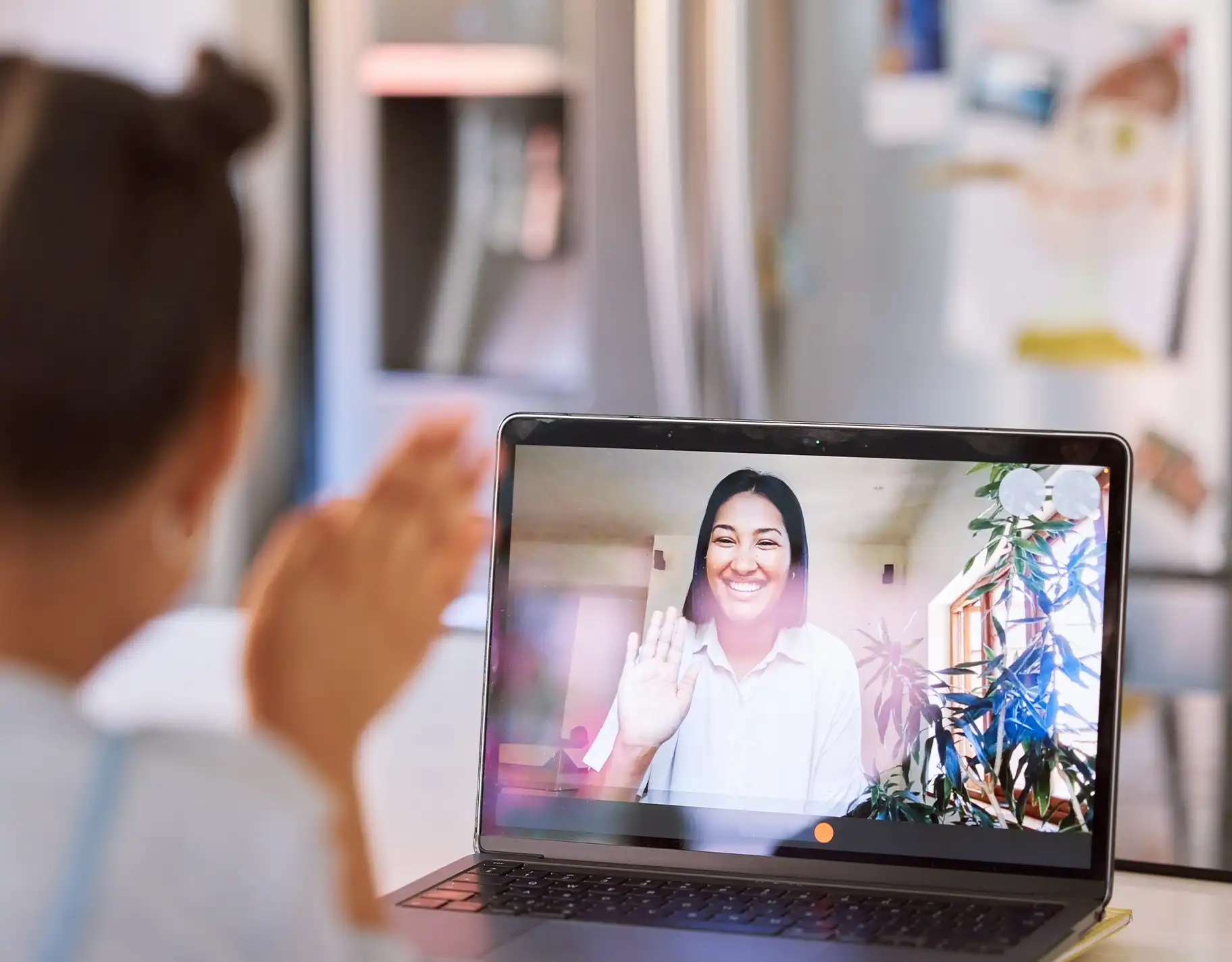
Being physically there is a whole lot better than being a disembodied voice from a screen. Unfortunately, even being a voice on the screen is also hard, especially with varying work schedules. (Aquino, 2024; Magantor, 2024).
So, what do they do? The only thing they can do is to send money or send gifts to make their presence felt. While material things do have some joy, it doesn’t substitute for the warmth and physical presence—a painful truth that OFW parents swallow every day they’re in another country (Bernardo, Mata, Garabiles, 2025; Fuentebella, Alejandrino, Calauod, Del Puerto, and Ignacio, 2025).
Sending money has its own risks. Besides transfer fees, they also don’t have much say on how it’s managed back home. They’re open to financial abuse, often remarking that they are seen as the “family’s ATM” (Pinzon, 2021).
When it’s not the parents who take on the load, it’s the eldest child or the most capable. They become the “third parent” by taking on the financial burden. If ever they protest, then it’s often dismissed with many saying, “You make a lot of money in the other country anyway.”
However, many fail to remember that the living standards in a more prosperous country are often much higher. Inflation doesn’t just happen in the Philippines; other countries have it too.
Why OFW Families Need a Support System Back Home
Many OFW parents often work themselves to the bone in a never-ending cycle because of how much money is needed. They sacrifice the time they wish they could spend with their kids to ensure that their families have something to live on back home.
But they continue to fight with sheer grit and love. Their sacrifices go far beyond remittances—they pour unseen hours, unspoken worries, and unwavering devotion into every call, every package, every peso sent home. As relatives, friends, and community members, we can honor that effort by being part of their village:
- Offering emotional support to the children they’ve left behind
- Helping manage resources responsibly, and recognizing the very real limits of what one parent working abroad can give.
- Updating the OFW parent on their children’s achievements and happenings. Make sure they can attend their children’s milestones digitally if physical isn’t possible.
- Contact them for more than just money. Kamustahan goes a long way!
- Giving oneself a withdrawal limit. The money the OFW sends is all they’ll send for that month. Nothing more.
Families may be separated by oceans, but we can bridge those miles by showing care, understanding, and accountability right here at home.
Frequently Asked Questions
Transnational parenting refers to the practice of raising children across national borders — where one or both parents work abroad while their children remain in the Philippines under the care of relatives. For OFW families, this often means parenting through remittances, video calls, and care packages while navigating different time zones and demanding work schedules.
Most OFW parents rely on a combination of regular video calls, messaging apps, sending balikbayan boxes, and consistent financial support. When even video calls aren’t possible — as is common for mariners at sea or nurses on demanding shifts — many stay connected through relatives who provide updates on the children’s milestones and daily lives.
Beyond transfer fees and exchange rate fluctuations, many OFW parents face financial exploitation within their own families — often referred to as being treated as the “family ATM.” Without direct oversight of how remittances are spent, some OFW parents find their earnings mismanaged, leaving them with little to show for years of sacrifice abroad.
Children of OFW parents often experience emotional distance, increased responsibility at home, and a reliance on extended family for day-to-day parenting. In some cases, the eldest child takes on a “third parent” role, shouldering both emotional and financial burdens. While material needs may be met, the lack of physical presence can affect a child’s sense of security and emotional development.
The most meaningful support goes beyond managing remittances responsibly. Relatives can help by keeping OFW parents updated on their children’s milestones, ensuring they can attend important events digitally, and reaching out for reasons beyond financial requests. A simple check-in — or kamustahan — can make a significant difference for an OFW parent carrying the weight of distance alone.
Related Stories

Naghain ang Akbayan Partylist, sa panguguna ni Cong. Chel Diokno ang panukala House Bill 10058 or Child Safety Against Violence Act para protektahan ang mga bata

The National Council for Disability Affairs (NCDA) has partnered with TikTok Philippines to make it easier to report content that mocks Persons with Disabilities (PWDs).

Helping children navigate social media starts with teaching them to think critically, verify information, and understand the consequences of what they share online

Because raising creative kids also means permitting ourselves to stay curious, playful, and open to growth