


5 Philippine Laws That Protect Women and Girls Every Parent Should Know
Understanding these laws can help parents teach children about consent, respect, and personal safety

Many Filipino parents are raising daughters—and sons—in a world where conversations about safety, consent, and respect are more important than ever.
The Philippines actually has several strong laws designed to protect women and girls from violence, harassment, and discrimination. But the legal language can be confusing, which is why many families don’t realize the protections already in place.
Here’s a simple guide to five important laws that protect women in the Philippines, explained in clear terms so parents can understand how they work and when to use them.
1. The Anti-Violence Against Women and Their Children Act (VAWC) (Republic Act 9262)
This law protects women and their children from abuse by a husband, partner, ex-partner, or someone they have a romantic relationship with.
Violence doesn’t only mean physical harm. The law also covers:
- Emotional or psychological abuse
- Financial control (like withholding money)
- Threats and intimidation
- Sexual abuse
For example, if a partner constantly threatens, humiliates, or controls finances to manipulate a woman, that can fall under VAWC.
Parents should know this law also protects children who witness abuse at home, because exposure to violence is considered harmful.
2. The Magna Carta of Women (Republic Act 9710)
Think of this as the main law protecting women’s rights in the Philippines.
The Magna Carta of Women ensures women have equal rights in areas like:
- Education
- Employment
- Healthcare
- Political participation
- Protection from discrimination
For example, workplaces cannot discriminate against women in hiring or promotion simply because of gender, pregnancy, or marital status. That’s why companies have something called “Maternity Leave.”
It also requires government agencies to create programs that protect and empower women.
3. The Safe Spaces Act (Anti-Bastos Law) (Republic Act 11313)
To ensure no gender-based harassment happens in public places, online, schools, and workplaces, this was written into law.
Common examples include:
- Catcalling or unwanted sexual comments
- Stalking or persistent unwanted messages
- Sharing sexual photos without consent
- Harassment in public transportation or on the streets
It also covers online harassment, which is especially relevant for teens and young women who spend time on social media.
Parents should talk to their children about this law because it empowers victims to report harassment—even if it happens online.
4. The Anti-Rape Law (Republic Act 8353)
This law strengthened the country’s definition of rape and made it clear that rape is a crime of violence, not just a crime against honor.
Important things parents should know:
- Rape can happen even within marriage.
- Consent must be clear and voluntary.
- Victims can be women or children.
The law also recognizes that rape can involve force, threats, or situations where a person cannot give consent.
Understanding this law helps parents teach children about bodily autonomy and consent.
5. The Anti-Sexual Harassment Act (Republic Act 7877)
Republic Act 7877 protects people—especially women—from sexual harassment in workplaces, schools, and training environments.
Sexual harassment can include:
- Demanding sexual favors in exchange for grades or promotions
- Unwanted touching or sexual comments
- Suggestive messages from someone in authority
For parents with children in school or entering the workforce, this law ensures that people in power cannot abuse their position.
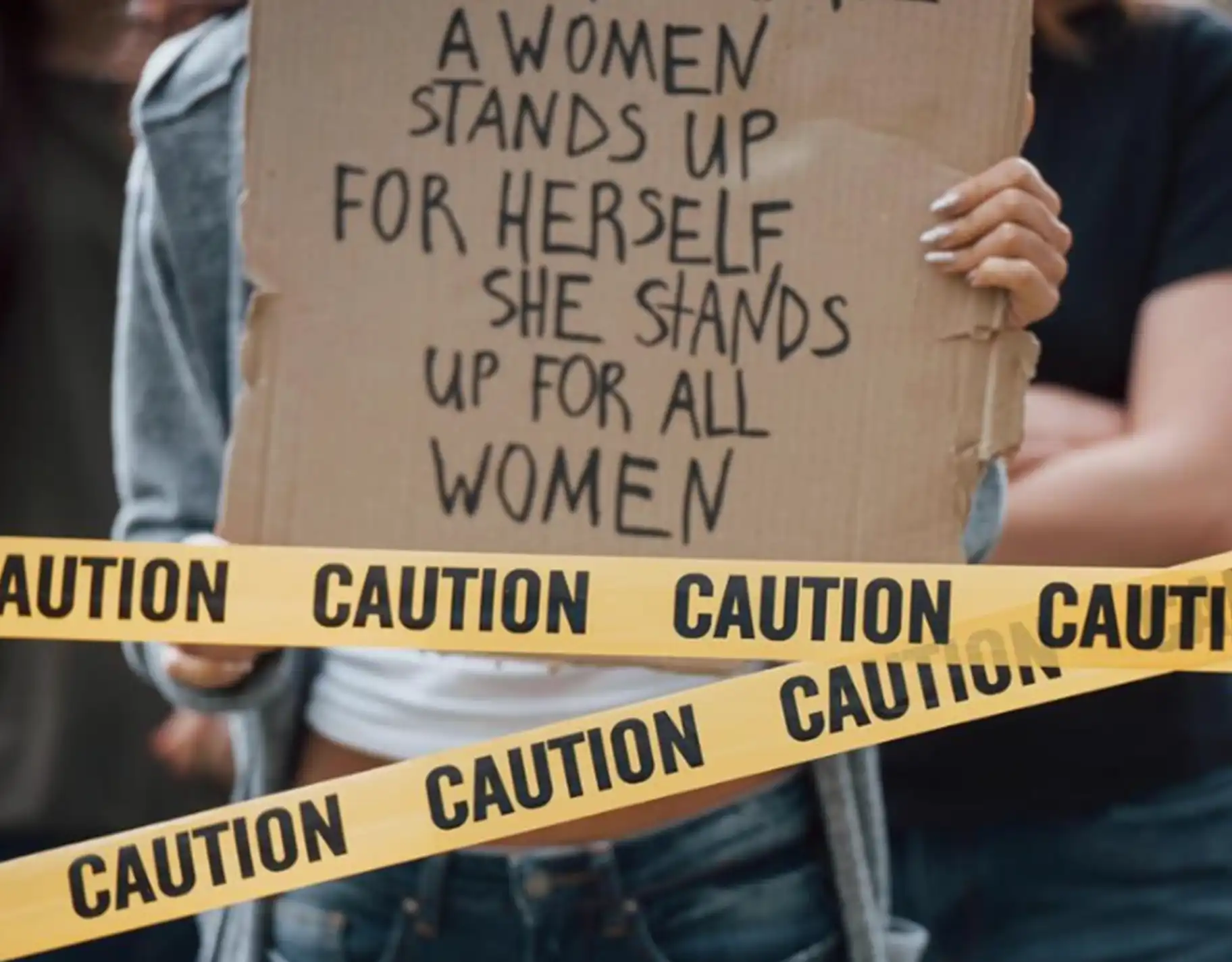
Where Women Can Report Abuse in the Philippines
If someone experiences violence, harassment, or discrimination, they can report to the following agencies:
- Philippine National Police Women and Children Protection Desks (WCPD) – available in police stations nationwide
- Department of Social Welfare and Development (DSWD) – provides social services and protection
- Philippine Commission on Women – for gender discrimination and policy concerns
- National Bureau of Investigation – for serious criminal cases
- Emergency Hotline: 911
Many barangays also have VAWC desks where cases can be reported locally.
If you or someone you know needs help, reaching out early can make a critical difference.
Frequently Asked Questions
The law covers more than just physical harm inflicted by a husband, partner, ex-partner, or romantic interest. It explicitly protects women and their children from emotional or psychological abuse, financial control such as withholding money, threats and intimidation, and sexual abuse.
The Magna Carta of Women guarantees equal rights in employment and protection from discrimination. It ensures that workplaces cannot discriminate against women during hiring or promotion processes based on their gender, pregnancy, or marital status, which serves as the legal foundation for corporate policies like maternity leave.
This law bans gender-based harassment across public places, workplaces, schools, and online platforms. Prohibited behaviors include catcalling, unwanted sexual comments, stalking, sending persistent unwanted messages, sharing sexual photos without explicit consent, and harassment on public transportation or social media.
The Anti-Rape Law defines rape strictly as a crime of violence rather than a crime against honor, clarifying that consent must always be entirely clear and voluntary. It recognizes that rape can involve force or threats, can happen even within a marriage, and helps parents teach children about bodily autonomy.
Reports can be filed locally at Barangay VAWC desks or through nationwide agencies, including the Philippine National Police Women and Children Protection Desks, the Department of Social Welfare and Development, the Philippine Commission on Women, and the National Bureau of Investigation. For immediate crises, the national emergency hotline is 911.
Related Stories
Naghain ang Akbayan Partylist, sa panguguna ni Cong. Chel Diokno ang panukala House Bill 10058 or Child Safety Against Violence Act para protektahan ang mga bata

The National Council for Disability Affairs (NCDA) has partnered with TikTok Philippines to make it easier to report content that mocks Persons with Disabilities (PWDs).

Helping children navigate social media starts with teaching them to think critically, verify information, and understand the consequences of what they share online

Because raising creative kids also means permitting ourselves to stay curious, playful, and open to growth