


Breadwinner Culture in the Philippines: Is It an Obligation or a Choice?
Young adults are opening up about the exhaustion, guilt, and sacrifices that come with supporting their families too early

I was scrolling on TikTok when I saw an excerpt from an interview with some young adults sharing their thoughts about being the breadwinner of their family.
One interviewee shared that she and her mom would argue a lot, with her mom telling her it’s her responsibility to take care of her parents. Another interviewee, on the other hand, expressed the exhaustion she goes through to provide for the family. She dreamed of buying a house but her family relies on her to shoulder the school expenses of her youngest sibling.
These scenarios are nothing new. Many Filipino families have an Overseas Filipino Worker (OFW) as a member but it’s mostly the dad or the mom. But in this matter, it’s the kid or young adult who shoulders the burden, leading to the question if a young child or adult should be obligated to be a breadwinner or should it be a choice.
Are Children Obligated to Be Breadwinners for Their Parents?
TikToker mom, Mama Lou, was asked by her son Oliver if children should be the breadwinner for their parents or not after graduation.
“Hindi. Nasa sa anak iyon kung kung ibibigay niya sa magulang niya or hindi,” she said in Filipino. (No, it should be up to the children if they will give to their parents or not.)
Oliver further asked Mama Lou about some people saying it may sound ungrateful. Mama Lou said: ” It’s not the child’s obligation [to do that]. Did they say ‘give birth to me?’”
Although life in the Philippines is hard, Mama Lou emphasized it’s not the child’s obligation. ” It’s not their obligation for the family they grew up in.”
“Our children have their dreams. Let’s push them to do what they want to do with their lives.”
Mama Lou continued, saying that the dreams of the child should be supported and that as parents, the only thing they can do is to advise.
However, she is aware that while children are not obligated, some people have to recognize that parents rely on their kids to get them out of poverty because of the lack of support from the government.
Why Some Young Filipinos Choose to Support Their Families Anyway
While no child is obligated to become a breadwinner, some do it to help the family. Take in the case of several kids who entered showbiz. Many of them were already earning through commercials and minor roles they got as their popularity rose. Some even went through the reality show phase to be recognized and book jobs.
Other kids are already business-minded. Some would sell candy or stickers in school to have an allowance. Others would take heavy jobs. The decision to work can come from them because many don’t want to burden their parents. This brings us back to what Mama Lou said about the government not doing enough. If there are jobs that can be provided, kids will not have to work as much and make them the breadwinners.
No one can set aside the fact that there are kids who have to take on the role of being the breadwinner. Seeing their parents go through hardships may be one of the reasons why they feel they need to ease the burden and take responsibility for themselves.
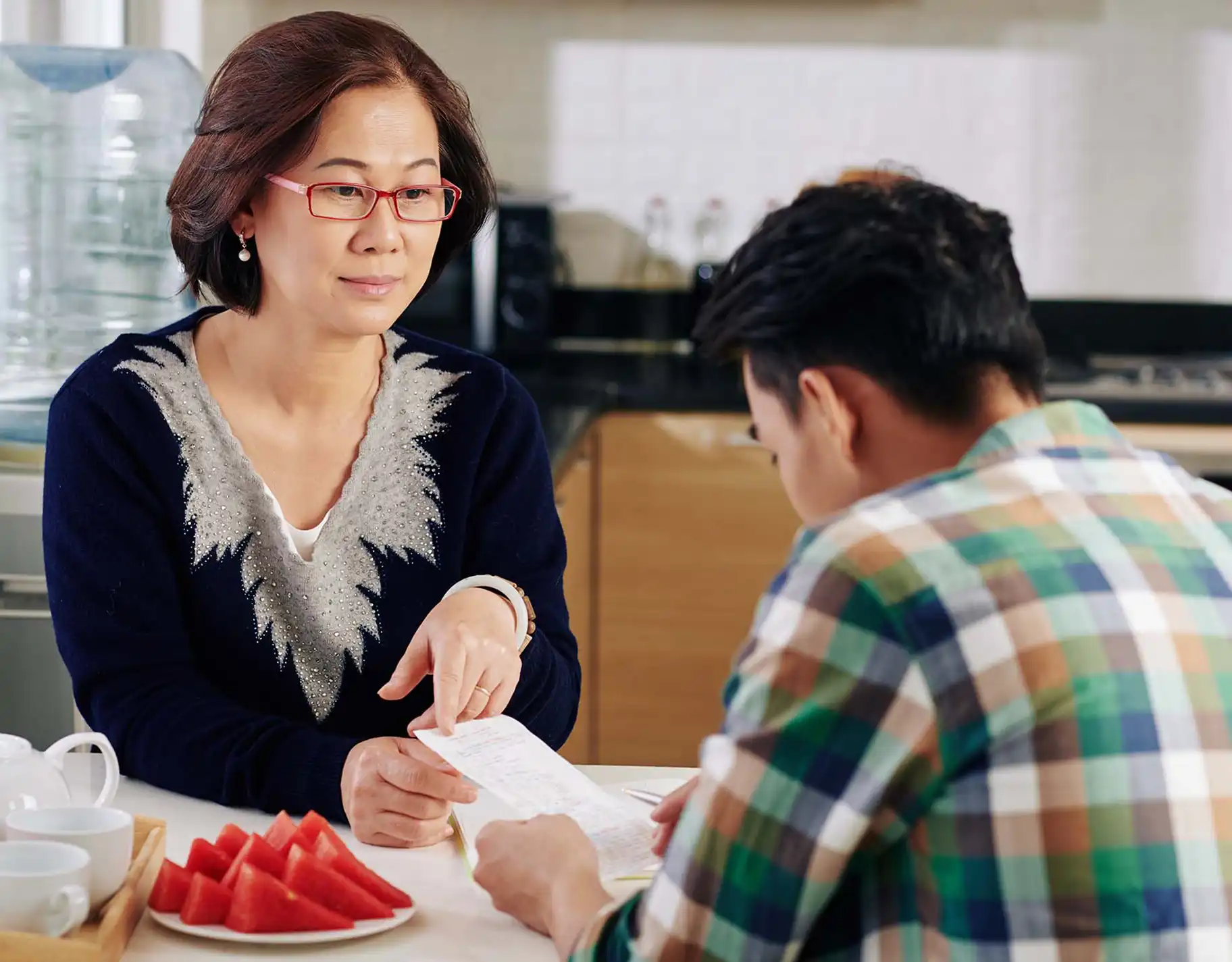
Breadwinner or Not — Ultimately, It Should Be Their Decision
The discussion on kids being breadwinners will likely be an ongoing debate. Some say they shouldn’t be the breadwinners, while others may point out that it was a choice kids to do for their families.
While it’s easy to say that children owe their parents to give back, it should not be forced. It should come from their heart to give something to their parents. As mentioned by Mama Lou, kids also have their dreams to follow.
For some kids, it’s natural that they’ll help out their parents after finishing school. But here’s a reminder for the breadwinner: Put yourself before others. You’ve earned it, so don’t be guilty. You’re not selfish, you want to build your future.
So whether you feel kids are obligated or it should be a choice, it boils down to how you’ve raised them. But remember, they have to think about their future, and you have to let them decide.
Frequently Asked Questions
No child is legally or morally obligated to become a family breadwinner. While Filipino culture places strong value on utang na loob and family responsibility, many advocates argue that financial support should come from genuine choice — not guilt or pressure. Children have their own futures and dreams to pursue.
The combination of generational poverty, limited government support, and deeply rooted cultural values around family obligation keeps breadwinner culture alive in many Filipino households. For some families, relying on a working child or young adult isn’t a choice — it’s a survival necessity.
Young breadwinners often carry the weight of guilt, exhaustion, and delayed personal milestones — from buying their own home to pursuing further education. The pressure of being the family’s financial anchor can lead to burnout, resentment, and a sense of lost identity outside of their provider role.
Not at all. Choosing to invest in your own future — savings, career growth, housing — before shouldering family expenses is a healthy and necessary boundary. Helping family is admirable, but it should never come at the cost of your own stability and long-term wellbeing.
Openly and without pressure. Parents can share their situation honestly while making it clear that their child’s dreams come first. Framing financial help as something appreciated rather than expected creates a healthier dynamic — and often makes children more willing to help when they genuinely can.
Related Stories
Naghain ang Akbayan Partylist, sa panguguna ni Cong. Chel Diokno ang panukala House Bill 10058 or Child Safety Against Violence Act para protektahan ang mga bata

The National Council for Disability Affairs (NCDA) has partnered with TikTok Philippines to make it easier to report content that mocks Persons with Disabilities (PWDs).

Helping children navigate social media starts with teaching them to think critically, verify information, and understand the consequences of what they share online

Because raising creative kids also means permitting ourselves to stay curious, playful, and open to growth