


The “Mom Friend” in Your Teen’s Barkada: Why Every Parent Loves Them
Teens naturally gravitate toward the friend who makes them feel supported and protected

We, moms, have different ways of remembering our kids’ friends and their barkadas. The chubby one, the short one, the white one, the matino one, “anak ni ganito”, “pinsan ni ganyan” — unfortunately, having a mental load means we’re not good at keeping up with names. But there’s always that one friend we single out among them. They’re the ones who keep our teens out of trouble. They’re always well-mannered, looking out for your teens’ interests, and the best part is: they’re the ones who soothe our anxiety when they go out with your teens.
What Exactly Is the “Mom Friend” in a Teen’s Friend Group?
While we figure that they’re just best friends, these teens sometimes do more than what is expected. The “mom” friend is the ever-responsible one, especially if our teens are known to be reckless. In a way, they sometimes even declare themselves the “Glorified Yaya” of the group. Sometimes, we hear our teens calling that friend “Mommy (insert nickname here)” or “Mother” or “Mama” as strange as it sounds. While it’s relieving to know that your kid has a responsible friend among them, there’s also a minor caveat: they might know more about our teens than we do!
Where Does the Mom Friend Personality Usually Come From?
A lot of times, these “mom” friend teens may come from families with stricter parents, making them familiar with the tricks of the trade of what kind of questions we’ll ask them. “Where are you going?”, “Who’s going with you?”, “How are you getting there?” — they’re so well-versed with the questions that it’s astonishing that some even prepare PowerPoints for it.
Among their friends, they act as the “safety net”. The “mom” friends also appear as the emotionally resilient teens, the ones with “good grades”, and a clean record. Unfortunately, the “mom” friend is sometimes the one we subconsciously compare our kids to.
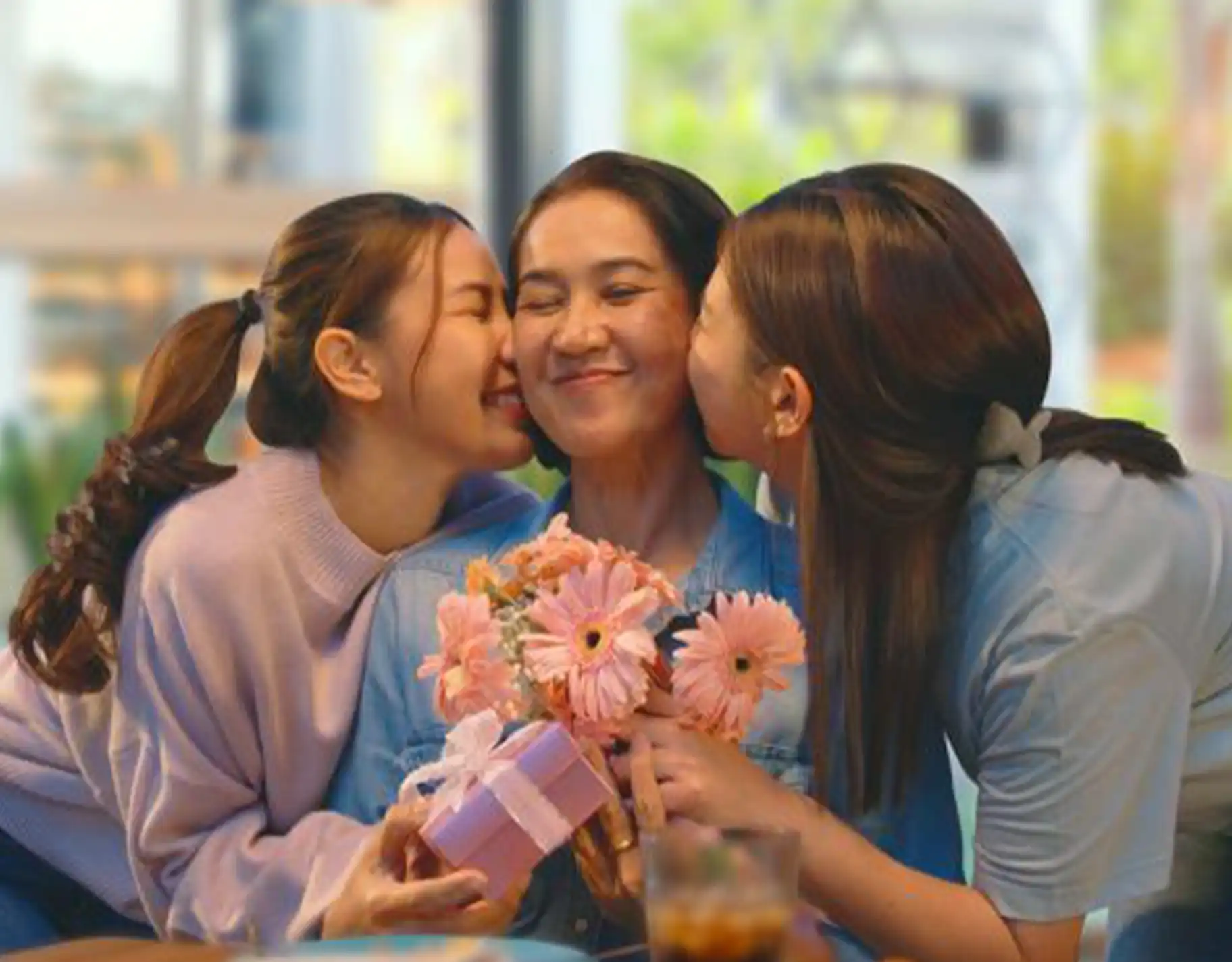
But it’s nice to know that there’s someone else out there who cares for our teens as much as we do.
As moms, it’s better to work together with your teens’ friends even if we have some preset biases towards them. Although some of the advice may contrast, we need to remember that the kids might know more about the situation than we do. Especially when it comes to bullying, peers might be more helpful than parents. They’re also more knowledgeable about the environment the bully and your kids are in so they might be a better support than we do. As annoying as it is to stay on the side, there’s relief in realizing that there’s one less person to worry about who will hurt the teens.
What is a “mom friend” in a teen friend group? “,”acceptedAnswer”:{“@type”:”Answer”,”text”:”The mom friend is the responsible, level-headed teen in a barkada who naturally takes on a caretaking role — making sure everyone gets home safe, de-escalating drama, and keeping the group out of trouble. They’re often the one parents feel most at ease with when their teen goes out.”}},{“@type”:”Question”,”name”:”Why do some teens become the mom friend of their group? “,”acceptedAnswer”:{“@type”:”Answer”,”text”:”It often traces back to upbringing. Teens from households with stricter parents tend to internalize structure and accountability early. This makes them more prepared, more cautious, and naturally more attuned to looking out for others — habits they carry into their friendships.”}},{“@type”:”Question”,”name”:”Should I be concerned if my teen is always the mom friend? “,”acceptedAnswer”:{“@type”:”Answer”,”text”:”Not necessarily, but it’s worth checking in. While being responsible is a strength, teens who always play caretaker may be suppressing their own needs to manage everyone else’s. Make sure they also have space to be cared for, not just the one doing the caring.”}},{“@type”:”Question”,”name”:”How can parents work with their teen’s mom friend without overstepping? “,”acceptedAnswer”:{“@type”:”Answer”,”text”:”Treat them as an ally, not a spy. Acknowledge their role without putting pressure on them or using them as an information source about your teen. A simple, genuine rapport goes a long way — teens notice when adults respect their friendships.”}},{“@type”:”Question”,”name”:”Is it okay that my teen’s mom friend knows more about them than I do? “,”acceptedAnswer”:{“@type”:”Answer”,”text”:”To a degree, yes. Teens naturally share more with peers than parents, especially about social and emotional experiences. Rather than competing with that dynamic, focus on keeping communication open at home so your teen feels they can come to you when it really matters.”}}]}
Frequently Asked Questions
The mom friend is the responsible, level-headed teen in a barkada who naturally takes on a caretaking role — making sure everyone gets home safe, de-escalating drama, and keeping the group out of trouble. They’re often the one parents feel most at ease with when their teen goes out.
It often traces back to upbringing. Teens from households with stricter parents tend to internalize structure and accountability early. This makes them more prepared, more cautious, and naturally more attuned to looking out for others — habits they carry into their friendships.
Not necessarily, but it’s worth checking in. While being responsible is a strength, teens who always play caretaker may be suppressing their own needs to manage everyone else’s. Make sure they also have space to be cared for, not just the one doing the caring.
Treat them as an ally, not a spy. Acknowledge their role without putting pressure on them or using them as an information source about your teen. A simple, genuine rapport goes a long way — teens notice when adults respect their friendships.
To a degree, yes. Teens naturally share more with peers than parents, especially about social and emotional experiences. Rather than competing with that dynamic, focus on keeping communication open at home so your teen feels they can come to you when it really matters.
Related Stories
Naghain ang Akbayan Partylist, sa panguguna ni Cong. Chel Diokno ang panukala House Bill 10058 or Child Safety Against Violence Act para protektahan ang mga bata

The National Council for Disability Affairs (NCDA) has partnered with TikTok Philippines to make it easier to report content that mocks Persons with Disabilities (PWDs).

Helping children navigate social media starts with teaching them to think critically, verify information, and understand the consequences of what they share online

Because raising creative kids also means permitting ourselves to stay curious, playful, and open to growth