


Why Summer Break Doesn’t Have to Be Fully Scheduled for Kids
From sports clinics to quiet afternoons at home, families are redefining what summer should look like

When summer break arrives, many parents face the same quiet debate: Should kids spend the vacation learning something new—or simply rest?
In many Filipino households, summer has traditionally meant swimming lessons, music workshops, sports clinics, or enrichment classes. It’s a season of new skills and new friendships. But lately, more parents are also wondering if kids—who already spend months juggling schoolwork, homework, and activities—might actually need a little breathing room.
The truth is, there’s no single right answer. What matters most is finding the balance that works for your child—and your family.
Here are a few things parents might want to consider.
1. Why Kids Need Real Rest During Summer Break
School years can be intense for children. Long days, packed schedules, and academic pressure can leave them mentally and physically tired by the time summer rolls around.
Free play, late mornings, and unstructured afternoons give kids space to recharge their creativity and curiosity. School was all about routine; letting them have free-hand with what they want to do for a day helps them recharge.
Sometimes the best summer gift you can give your child is simply time to be a kid again.
2. How Summer Break Helps Kids Explore New Interests
At the same time, summer classes can offer something school sometimes can’t: learning without pressure. Grades can make things feel crazy.
Whether it’s painting, coding, martial arts, or baking, enrichment classes allow kids to explore interests purely for fun. Without grades or exams attached, many children discover passions they didn’t know they had. Plus, most of the summer classes available teach topics that are not usually in schools anymore.
For shy kids, these classes can also be a gentle way to build confidence and meet new friends.
3. Why a Light Structure Can Help Kids During Long Summer Breaks
Anyone who has survived week three of summer vacation knows the truth: kids can get bored fast.
A few scheduled activities during the week can add rhythm to long vacation days. Even a short class twice a week can give kids something to look forward to while keeping their minds active.
For parents working from home or managing busy schedules, it can also help bring a little predictability to the day.
4. Why Summer Break Shouldn’t Be Fully Scheduled or Overbooked
There’s a difference between one or two enriching activities and a calendar that looks like a corporate meeting schedule.
Overscheduling defeats the whole purpose of summer. If every day is filled with lessons and workshops, kids can end up feeling just as exhausted as they did during the school year.
The sweet spot? A mix of learning, rest, and plenty of free play.
5. Why Parents Should Ask Kids What They Want for Summer Break
Sometimes the best way to decide is the simplest one: ask them if they want to learn anything new.
Some kids genuinely enjoy summer classes and look forward to them every year. Others crave quiet time at home after a demanding school term.
Listening to their preferences helps them feel involved in the decision—and teaches them something important too: balance matters.
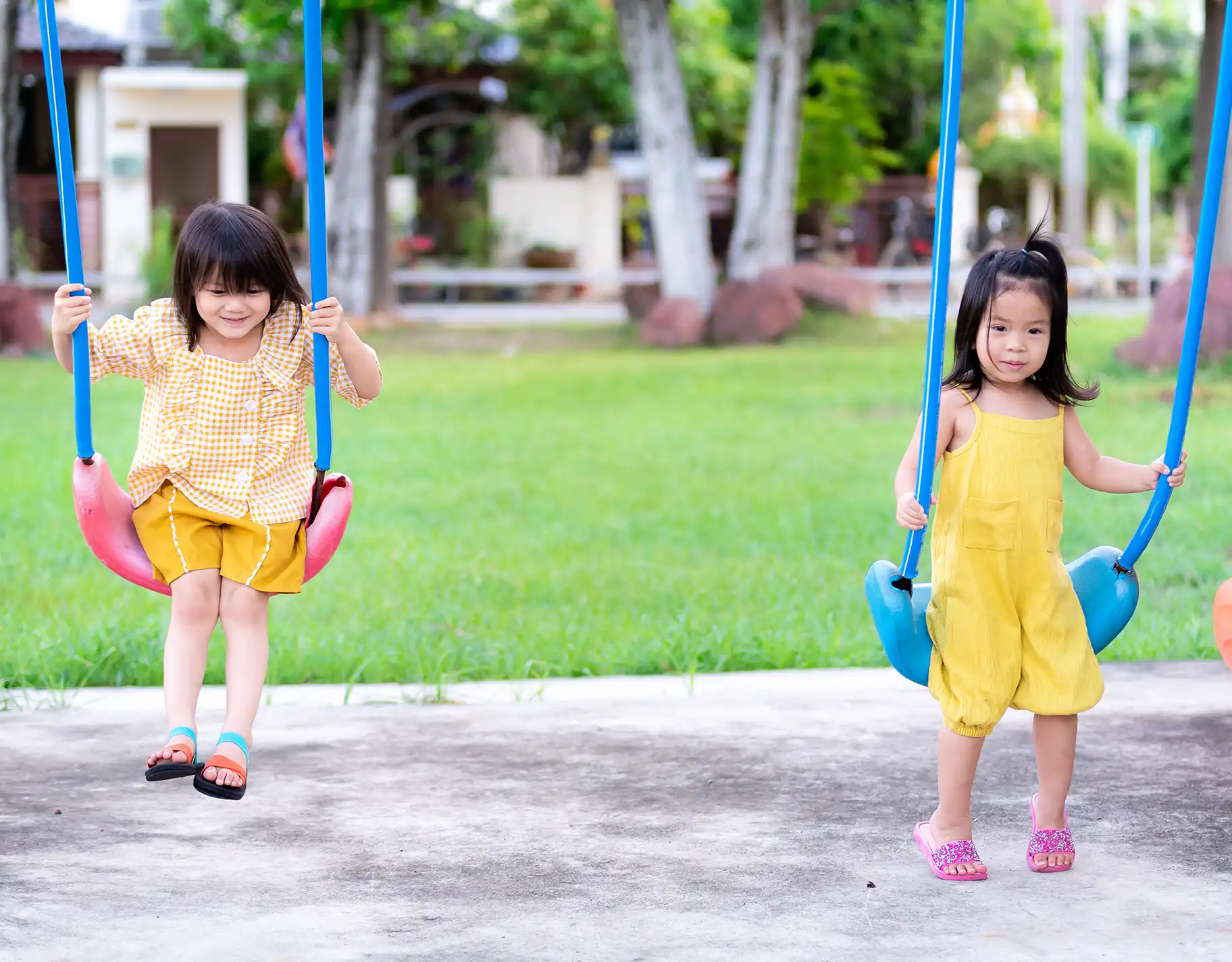
Finding the Right Summer Break Balance for Kids
Every family approaches summer differently. Some parents prefer enrichment programs, others lean toward rest, and many fall somewhere in between.
What matters most is creating a break that helps your child return to school refreshed, curious, and happy.
A class or two might spark a new interest. A slower schedule might help them recharge. Often, the best summer includes a little bit of both.
And if you’re wondering whether to sign them up for something after all?
Well, it might be one good way to keep them off the screen.
Frequently Asked Questions
The academic school year can leave children physically and mentally exhausted from rigid routines, academic pressure, and packed schedules. Providing unstructured time, late mornings, and free play allows kids to recharge their creativity and curiosity, giving them a much-needed mental break to simply enjoy being a child.
Unlike school, summer classes offer learning completely free of the pressure of grades, exams, or strict performance metrics. This stress-free environment allows children to explore unique topics—like coding, baking, or martial arts—purely for fun, which often helps them discover hidden passions or build social confidence.
Filling a child’s summer calendar with too many workshops, lessons, and clinics defeats the purpose of a vacation. Overscheduling can cause children to start the upcoming school year feeling just as burnt out and exhausted as they did when the previous term ended.
Unstructured summer days can quickly lead to boredom. Introducing one or two scheduled activities per week brings a predictable rhythm to long days, gives children something exciting to look forward to, keeps their minds active, and provides a helpful routine for work-from-home or busy parents.
The best approach is to simply sit down and talk to your child about their preferences. While some children naturally look forward to joining group activities every summer, others deeply crave quiet time at home. Involving them in the planning teaches them the importance of personal balance and ensures they return to school feeling genuinely refreshed.
Related Stories

Many playgrounds now focus on sensory play and imaginative learning

Reading stamina is not just about sitting still longer—it also involves comprehension, focus, motivation, and mental endurance

Facilities matter—but the real difference lies in how a school treats its students, teachers, and families

Whether it’s gaming, martial arts, or collecting, daughters should feel supported in exploring their passions