


Easy Recipes Parents Can Teach Kids to Cook at Home
From omelettes to rice, beginner recipes often teach patience, responsibility, and teamwork

Eating takeout isn’t always ideal. We don’t know what restaurants put in it. The tastiness? Probably from all the MSG or salt. While those aren’t bad once in a while, consistently doing so gets expensive and unhealthy. Cooking then becomes the answer—but where does one start? The basic recipes, of course! Here are some that parents can teach their kids to build a foundation for cooking:
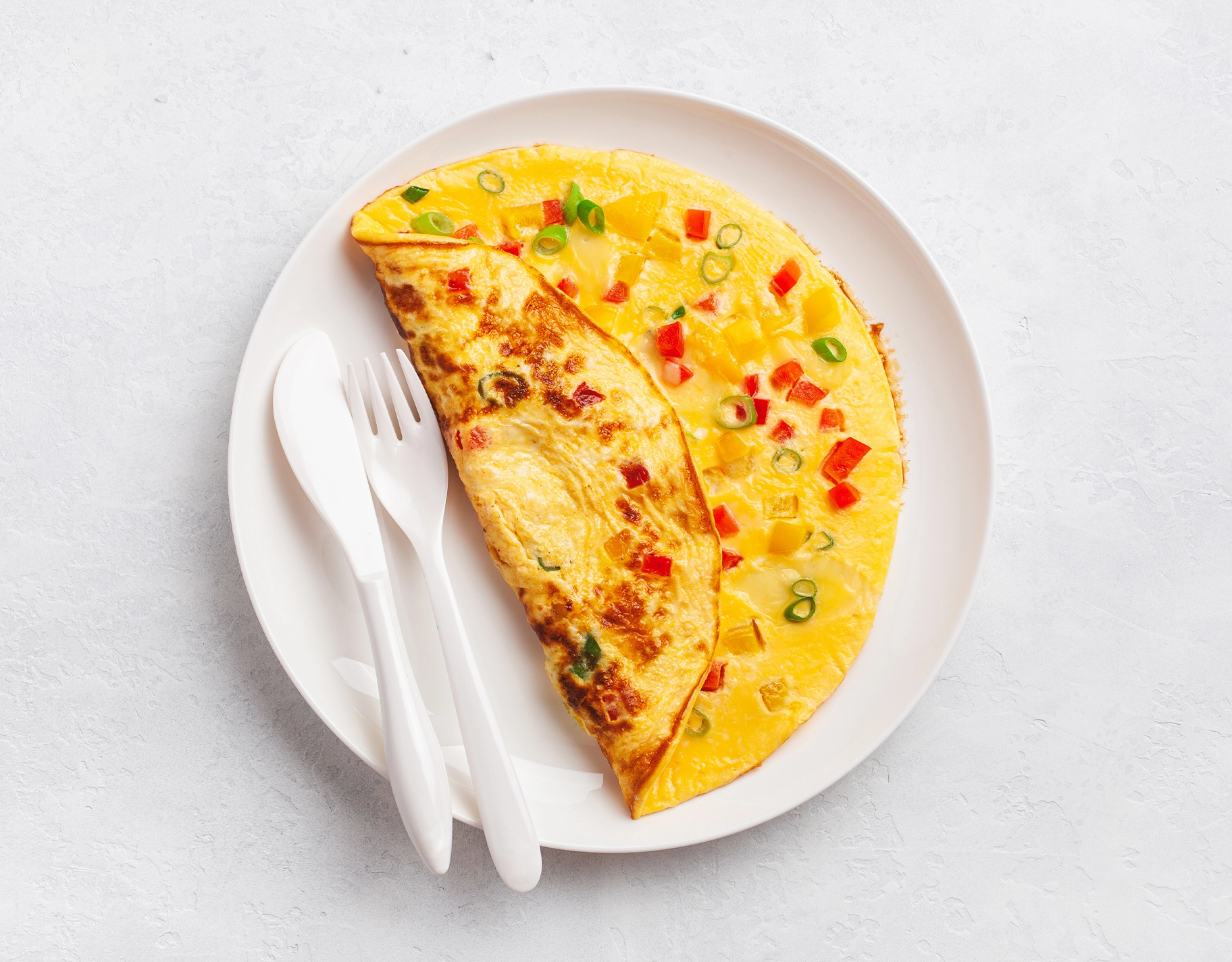
Omelette
The humble omelette is so flexible that it can be eaten plain or customized. All it takes is two whole eggs, beaten, with a bit of salt and pepper. Pour into a pan and then cook until solid. Fold, and it’s done! For those who want cheese, they can put either one of those cheese slices or grate some cheese so it melts.
Techniques learned: Beating, flipping, and heating
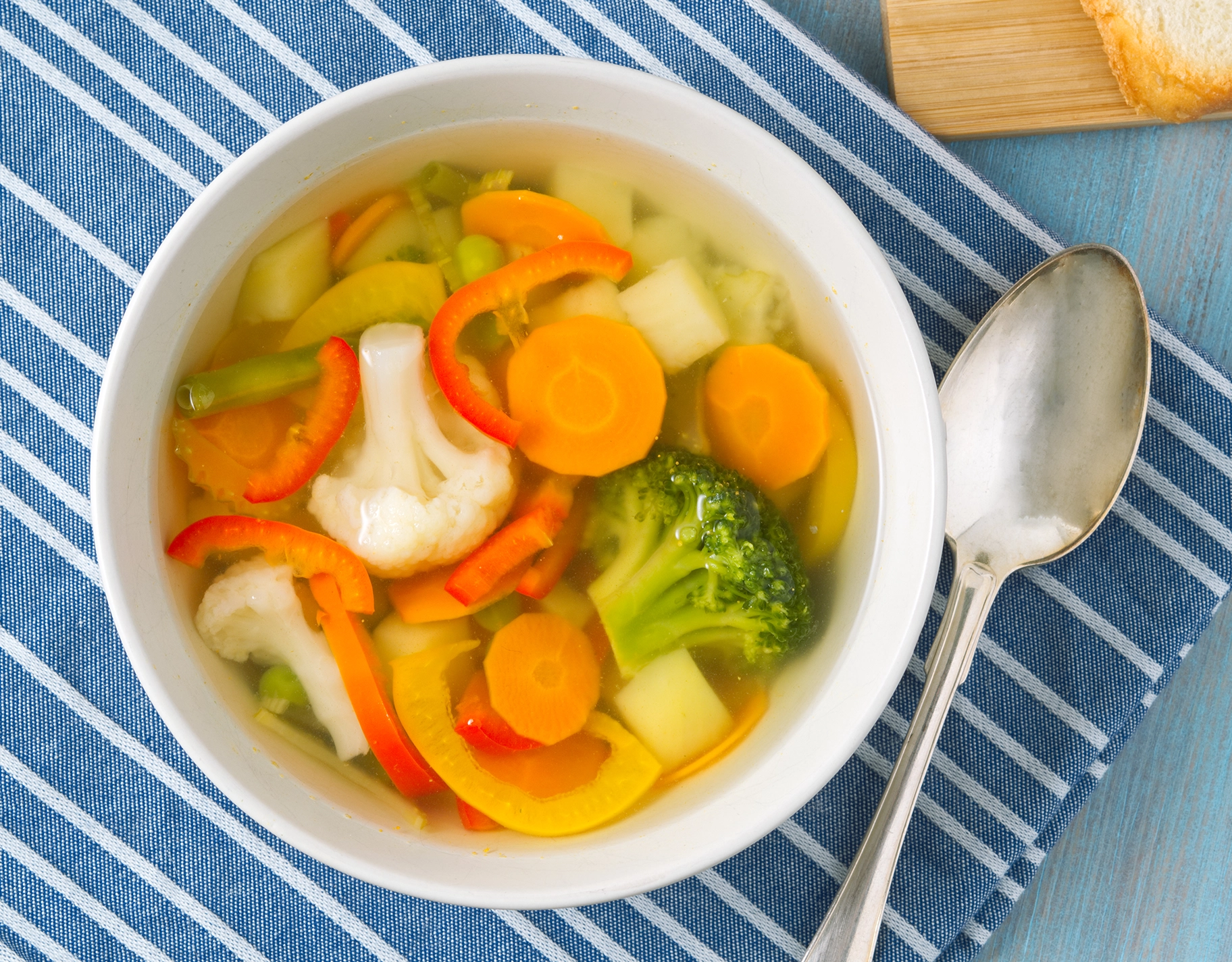
Soup
We’re not talking about those time-consuming bone broths. Kids can learn by using half a broth cube and some hot water. Boil water in a kettle and then pour it into a mug with maybe half or a quarter of a broth cube at the bottom. Stir to mix and then voila—a mug of soup for the rainy days! For extra flavor, they can put some garlic powder or pepper in it.
Once they’re confident with flavors, they can start chopping up vegetables and shredding meat for protein.
Techniques learned: Boiling and stirring
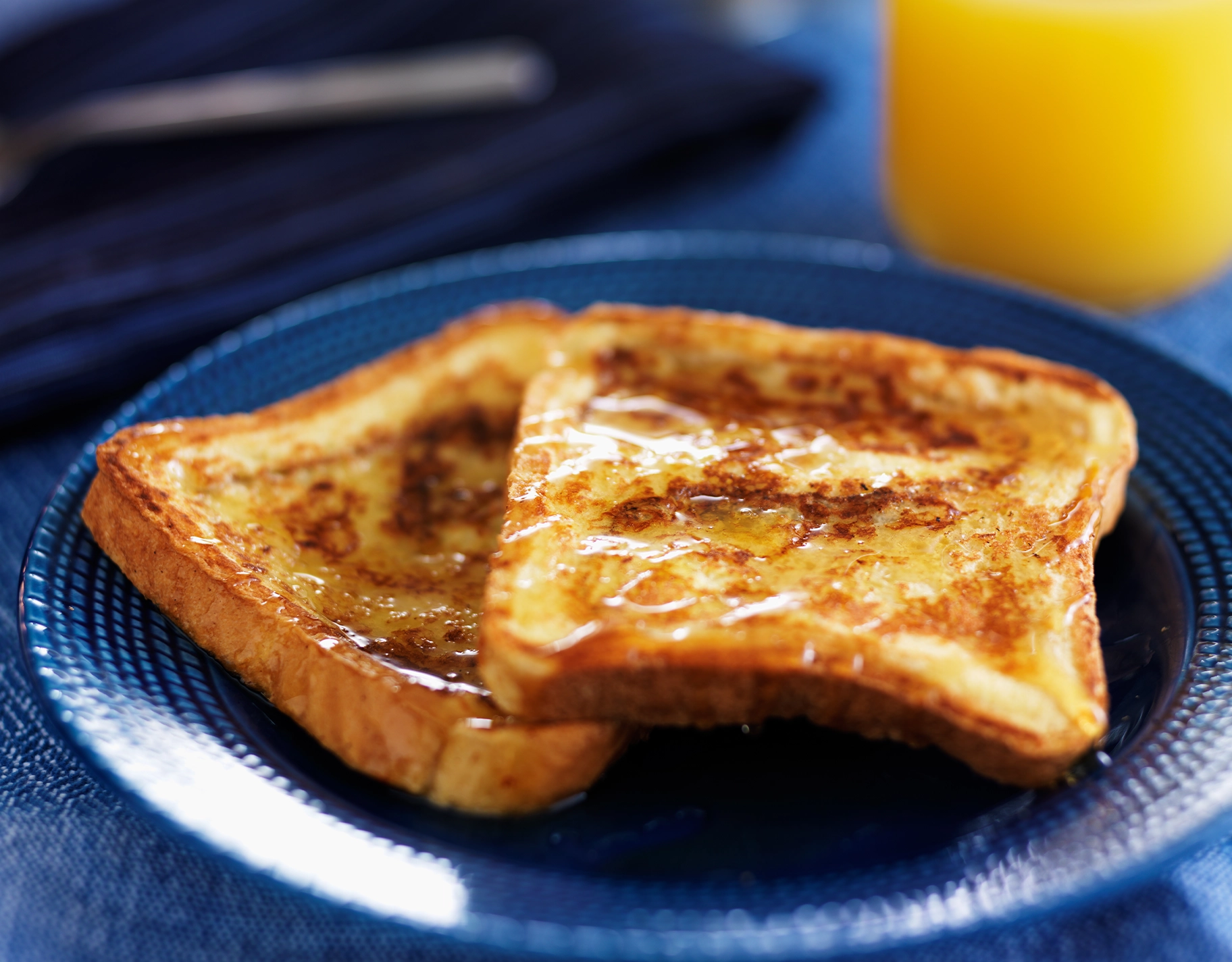
French Toast
A recipe with a few more steps, French Toast teaches the concept of marinating and soaking.
Typical French Toast involves a slice of bread being dipped in a custard made with the following:
- 1 egg, beaten
- Milk
- A drop of vanilla extract
- Sugar or Stevia (for diabetics)
Mix well and then soak the bread for a minute. After that, place in a pan with flavorless oil. Some parents like using salted butter because the salt emphasizes the custard’s flavor more.
Techniques learned: Frying, marinating, and flipping
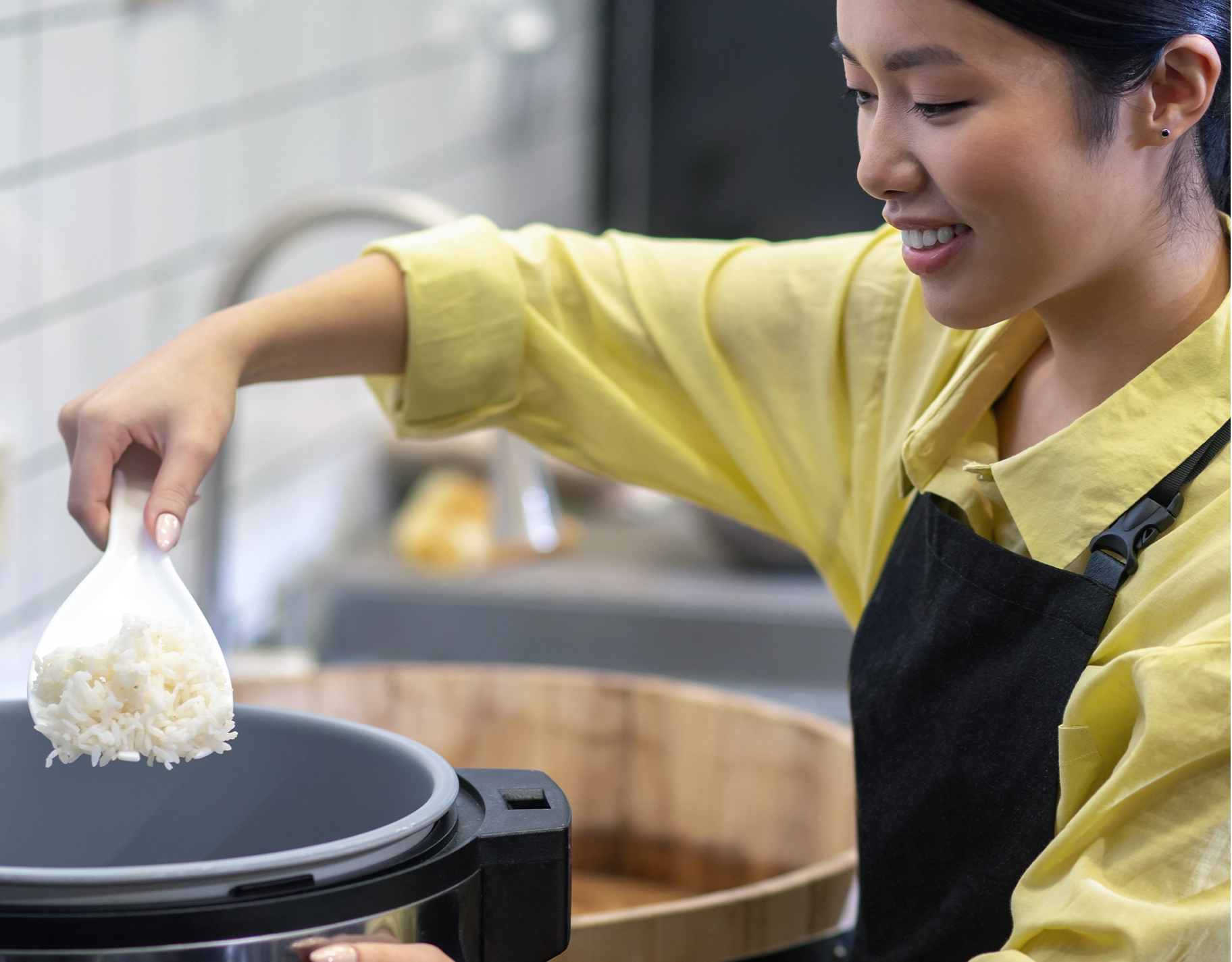
Rice
Considering how sophisticated rice cookers are, all kids need to learn is how to measure the rice-to-water ratio. Some rice grains, depending on the brand, can deviate from the typical 1:1. For example, brown rice is usually one cup of rice to two cups of water.
Once they figure that out, they can steam anything in a rice cooker. Siomai, hotdogs—anything really so long as the rice cooker comes with a steamer basket (which most of them do nowadays) or they put it in a tray.
Techniques learned: Steaming, measuring ingredients
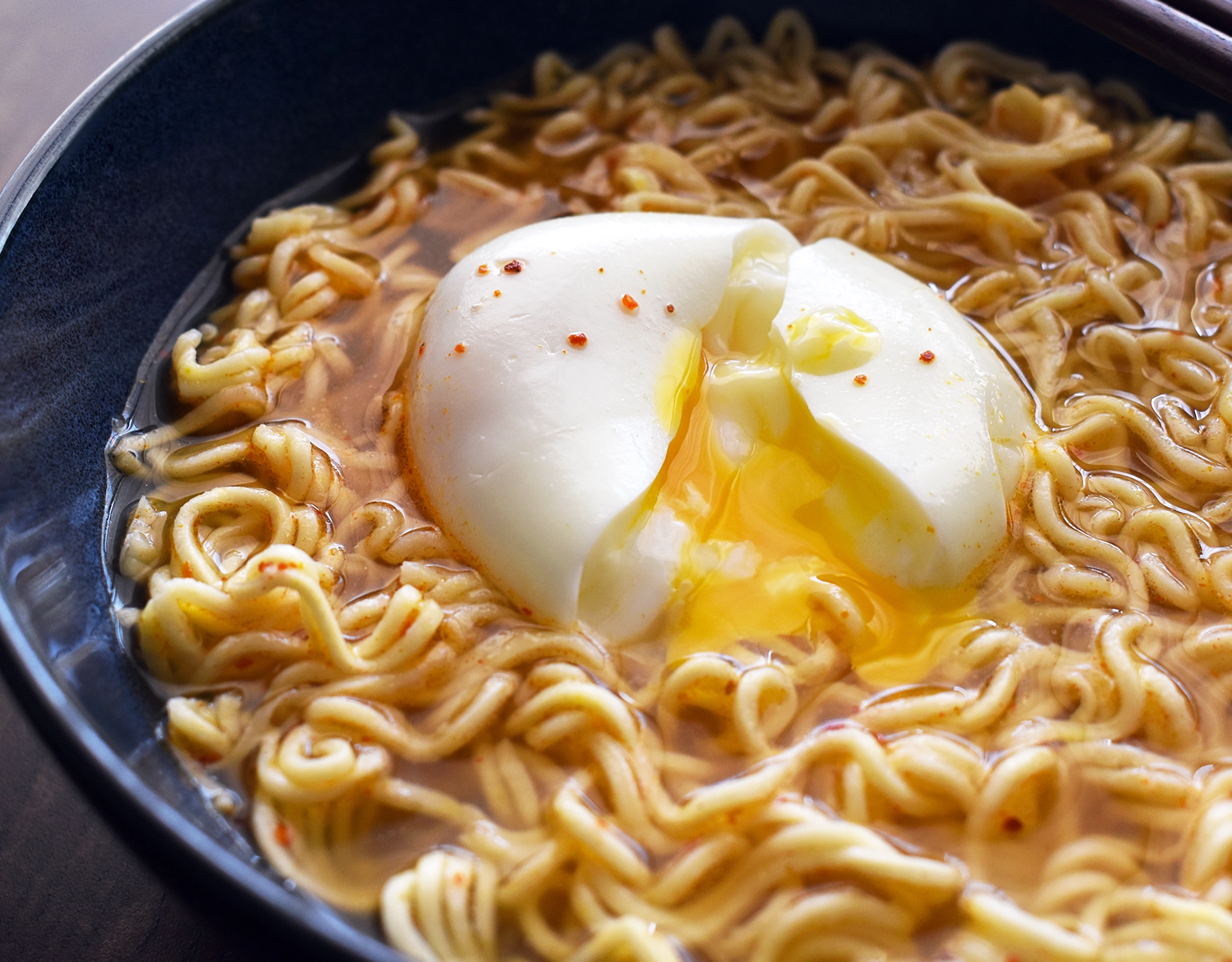
Instant Noodle
While this isn’t the healthiest thing to eat, learning how to make instant noodles teaches boiling and how to mix sauces. They may come pre-made, but it doesn’t mean we can’t replace some of them. From there, kids can eventually graduate to making pasta.
Techniques learned: boiling, sauce mixing, and measuring ingredients
Toast
Not everyone grows up with a bread toaster. Some learn to toast bread in a pan. Because bread burns quickly, this basic recipe teaches how to control heat. For those who grew up with the typical fire stove, they learn how to “eyeball” the heat based on the size of the blue flame. Induction cookers spoiled today’s generation of cooks with their digital programming or their dials with numbers.
Techniques learned: Timing, temperature control, frying
Why Parents Should Teach Their Kids Cooking
Besides always eating being the pricier option, restaurants can’t always accommodate diet changes. Philippine-based restaurants often use sugar and salt, which can be bad for those who have gout, diabetes, high uric acid, high blood pressure, and many other issues.
Also, kids often dream of living their own lives. If they want to move out and become independent, then the first thing they ought to learn is how to cook. No, mixing cereal and milk isn’t counted, nor is that arrangement a proper meal.
These may be basic recipes, but they’re not the end-all of cooking. They’re the foundation; their being simple helps build kids’ confidence in the kitchen. They learn different techniques and movements that can be applied to other recipes or things, too.
Once they get that, it’ll be up to them to expand on that skillset. Cleaning up the kitchen after mishaps, however, is another story entirely…
Frequently Asked Questions
The best starting points are omelettes, toast, French toast, simple broth soup, instant noodles, and steamed rice. These recipes introduce core techniques — frying, boiling, measuring, and temperature control — without overwhelming beginners, building confidence before moving on to more complex dishes.
Most children can start with simple, low-heat tasks like mixing, measuring, and stirring as early as age five. By eight to ten, kids can handle basic stovetop tasks like toasting bread or making an omelette with supervision. Starting early builds kitchen confidence and good food habits over time.
Cooking teaches independence, budget awareness, and healthier eating habits. Filipino restaurant food often contains high amounts of salt and sugar — learning to cook at home gives kids control over what goes into their meals, which is especially important for families managing conditions like diabetes or hypertension.
Each basic recipe builds transferable skills — patience, timing, measurement, and following instructions. Flipping an omelette teaches coordination. Soaking bread for French toast introduces the concept of marinating. These small wins in the kitchen translate to confidence and problem-solving in other areas of life.
Beginner recipes cover a surprisingly wide range of foundational techniques: beating and folding (omelette), boiling and stirring (soup), frying and marinating (French toast), measuring and steaming (rice), sauce mixing (instant noodles), and heat control (toast). Together they form a solid base for any young home cook.
Related Stories

These simple Filipino dishes help families enjoy home-cooked meals without leaving a mountain of dishes behind
