


Simple Bento Box Tips Every Busy Parent Should Know
Packing a bento box doesn't have to be complicated—these simple ideas can help make lunchtime nutritious, fun, and stress-free

For many parents, preparing baon is part of the daily routine. But between early mornings, school preparations, and work responsibilities, creating a bento box can sometimes feel like one more thing on an already long to-do list.
The good news? A great bento box doesn’t need elaborate designs or hours of preparation.
With a few practical strategies, parents can put together lunches that are balanced, appealing, and something children will actually look forward to opening at school.
1. Keep Portions Small and Colorful
Children often eat with their eyes first.
Adding a variety of colors through fruits and vegetables can make meals more inviting while also introducing different nutrients. Think carrots, cucumbers, mangoes, grapes, or sweet potatoes.
Smaller portions can also feel less intimidating, especially for younger children or picky eaters.
Parent Tip:
Use reusable silicone cups or dividers to separate foods and create visual variety without extra effort.
2. Make the Most of Leftovers
Not every bento box needs to start from scratch.
Leftover chicken can become mini sandwiches, rice can be turned into rice balls, and extra vegetables can be incorporated into wraps or omelets.
Repurposing leftovers not only saves time but also helps reduce food waste and stretch the family budget.
3. Include a Small Surprise
Sometimes, the smallest detail becomes a child’s favorite part of lunch.
A fruit skewer, a cheese cutout, or a fun-shaped potato bite can make lunchtime feel special without requiring hours of preparation.
The goal isn’t perfection. It’s creating moments of delight that children can look forward to during the school day.
4. Build a Balanced Meal
A nutritious bento box doesn’t have to be complicated.
A simple formula can help:
- One source of protein (eggs, chicken, fish, tofu)
- One source of carbohydrates (rice, bread, pasta)
- One serving of fruits or vegetables
This balance can help keep children full, focused, and energized throughout the day.
5. Prepare What You Can Ahead of Time
A little preparation the night before can make busy mornings much easier.
Try:
- Washing and cutting fruits in advance
- Boiling eggs ahead of time
- Portioning snacks for the week
- Preparing sandwich fillings the evening before
Small steps can significantly reduce morning stress.
6. Don’t Feel Pressured to Create Something New Every Day
Parents often see elaborate bento boxes online and feel pressure to be creative daily.
But children usually have favorite foods they enjoy repeatedly—and that’s perfectly okay.
If a tuna sandwich, chicken nuggets, or homemade fried rice consistently comes home empty, there’s no need to reinvent the menu every day.
Consistency can be just as valuable as variety.
7. Prioritize Food Safety
Food safety is just as important as presentation.
Allow hot food to cool slightly before sealing containers, and choose ingredients that can stay fresh until lunchtime. During warmer months, insulated lunch bags and ice packs can help keep food safe.
A well-packed meal should be both enjoyable and safe to eat.
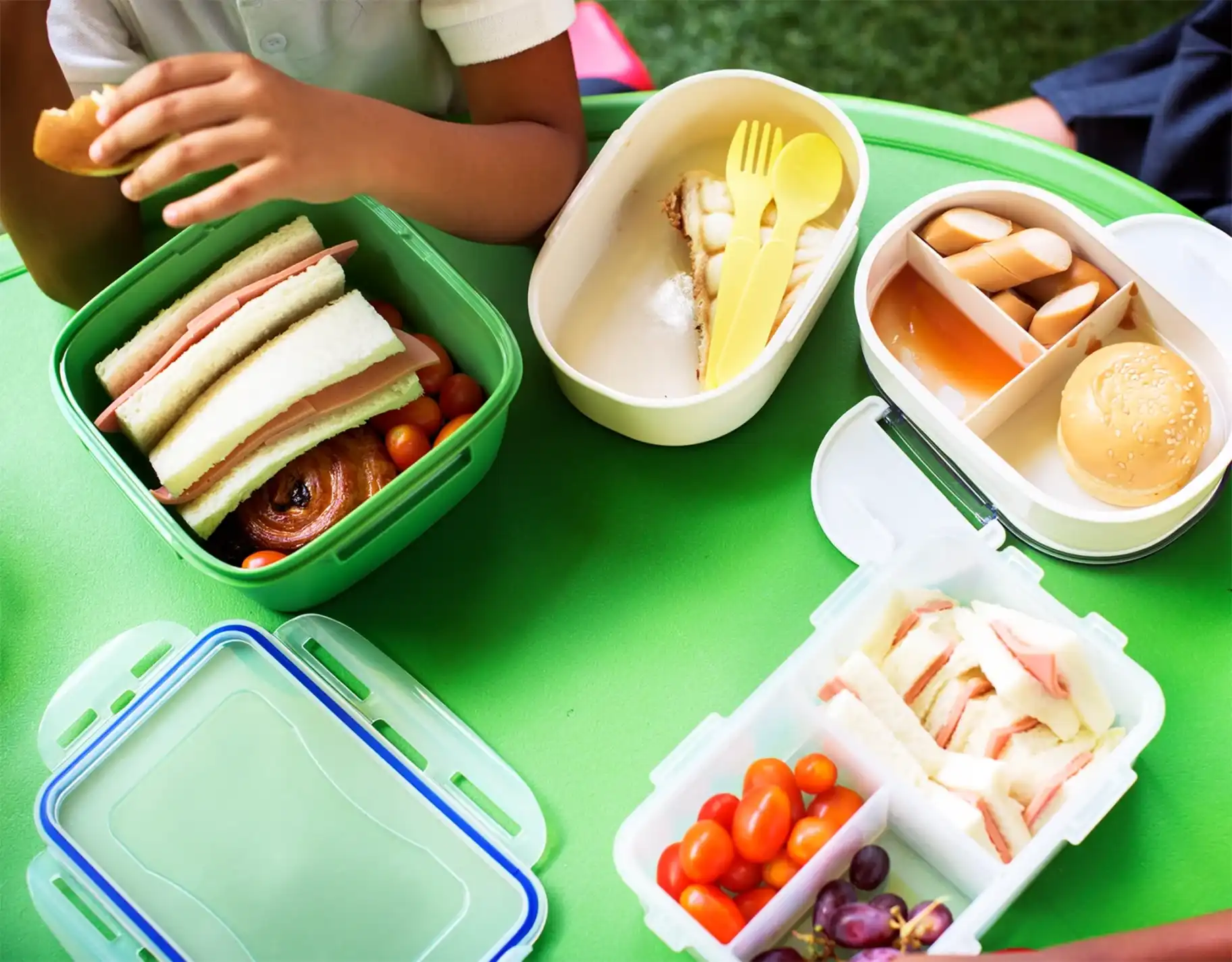
Why a Bento Box Means More Than What’s Inside
For many children, opening a lunchbox during the school day can feel like receiving a small reminder of home.
A bento box doesn’t need to be elaborate or picture-perfect. What matters most is the thought behind it—the effort to nourish, comfort, and care for a child throughout their day.
Whether it’s a carefully arranged meal or a simple lunch packed with favorite foods, every bento box carries something more meaningful than what’s inside the container: a parent’s love and attention, packed alongside every bite.
Frequently Asked Questions
A balanced bento box for a school-age child should include one protein source such as eggs, chicken, or tofu, one carbohydrate like rice or bread, and a serving of fruits or vegetables. Keeping portions small, colorful, and familiar helps ensure children actually eat what is packed for them.
Busy parents can save time by prepping the night before — washing and cutting fruits, boiling eggs, portioning snacks, and preparing sandwich fillings in advance. Repurposing dinner leftovers into rice balls, wraps, or mini sandwiches also cuts morning preparation time significantly without sacrificing nutrition or variety.
To keep bento box food safe, allow hot food to cool before sealing the container to prevent moisture buildup. Use insulated lunch bags and ice packs during warmer months. Choose ingredients that hold up well at room temperature and avoid dairy or proteins that spoil quickly without proper cooling.
No — parents do not need to create a new bento box design every day. Children often enjoy eating the same favorite foods repeatedly, and consistency can be just as valuable as variety. If a meal consistently comes home empty, there is no need to change it just to match elaborate designs seen online.
For picky eaters, focus on familiar favorites in small, approachable portions. Use colorful fruits and vegetables to make the meal visually appealing, and add a small fun element like a fruit skewer or cheese cutout. Avoid introducing too many new foods at once — consistency and comfort build positive lunchtime habits over time.
Related Stories

Simple tips, honest truths, and supportive advice to help you and your baby thrive

Food can become a meaningful way for children to connect with Filipino culture, family traditions, and shared memories